



Disaster Preparedness Plans Developed in 12 Hospitals of Gandaki Province

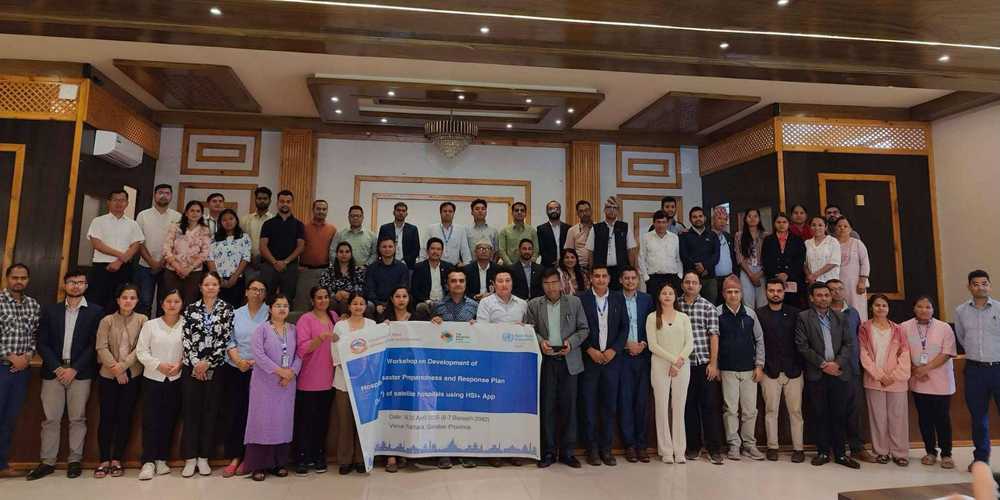
Nepal Health News, Kathmandu. A two-day workshop on the development of hospital disaster preparedness and response plans, organized by the Ministry of Health and Population with technical and financial support from the World Health Organization and the Pandemic Fund, was successfully conducted in Pokhara.
The workshop saw participation from healthcare workers and administrative staff from 12 satellite hospitals under Gandaki Province. These hospitals included Burtibang Hospital, Baglung; Provincial Hospital Mustang, Jomsom; Damauli Hospital, Tanahun; Provincial Hospital Putalibazar, Syangja; Lamjung District Hospital, Lamjung; Provincial Hospital Beni; Provincial Hospital Chame, Manang; Provincial Hospital Kusma, Parbat; Aampipal Hospital, Gorkha; Madhyabindu Provincial Hospital, Nawalpur; Maternity and Child Friendly Provincial Hospital, Kaski; and the Provincial General and Infectious Disease Hospital, Kaski.
Under the guidance of expert trainers, participants developed their own Hospital Disaster Preparedness and Response Plans (HDPRP) using the "Hospital Safety Index Plus App."
Participants were also provided with detailed information on topics such as coordination and communication during public health emergencies, the Health Emergency Operations Center (HEOC) network, and the hub-and-satellite hospital network. To test the developed HDPRP plans, a "tabletop exercise" was also conducted.
It was informed that these plans will now be implemented in each hospital, staff will be updated accordingly, and efforts will be made to ensure effective implementation, thereby improving overall preparedness.
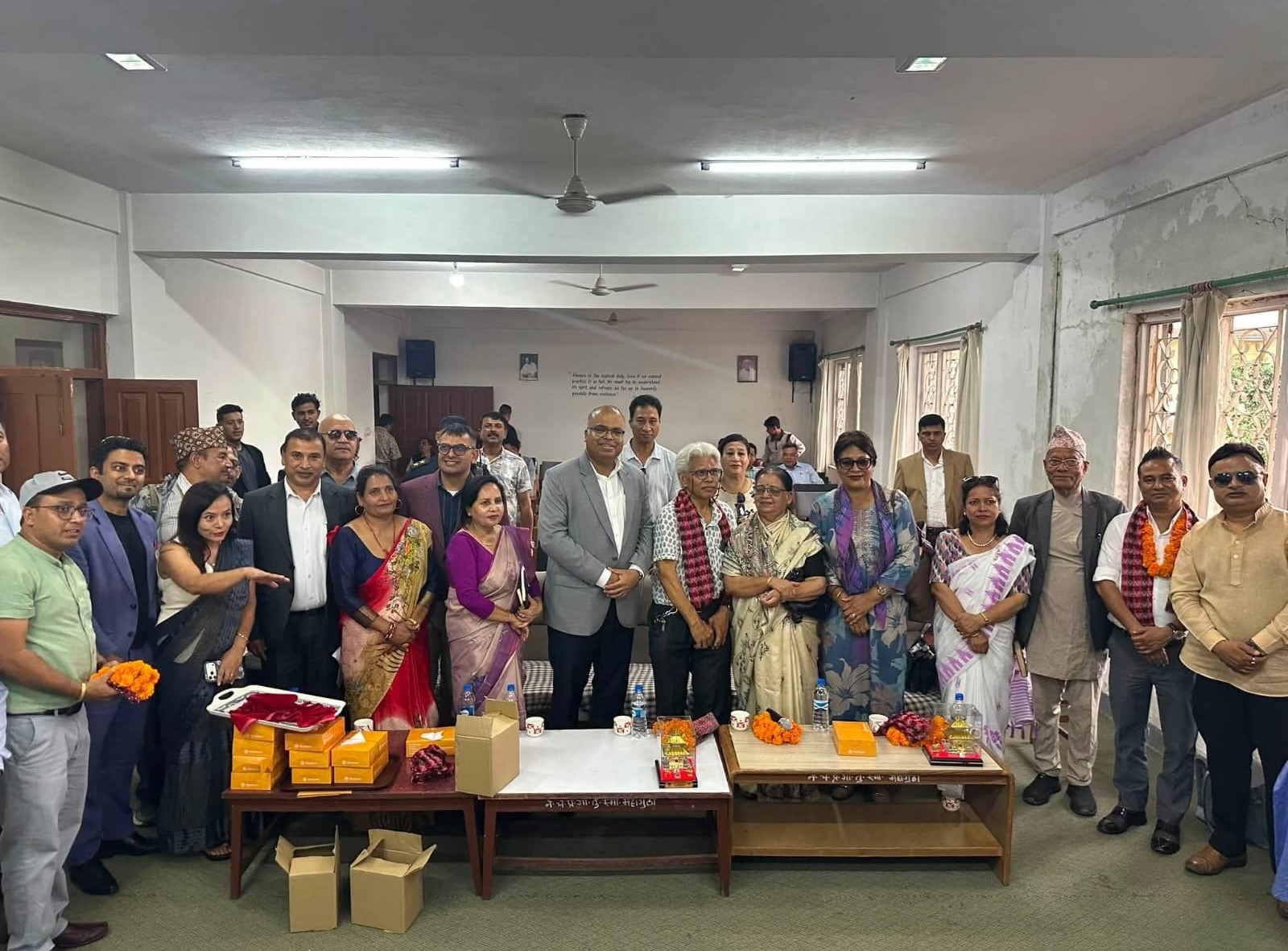
The closing ceremony was held under the chairmanship of Dr. Prakash Budhathoki, spokesperson of the Ministry of Health and Population and head of the Health Emergency Operations Center. On the occasion, he shared that advance preparations have been made to address potential health emergencies.
The training was facilitated by Khim Bahadur Khadka, Director General of the Provincial Health Directorate; and expert trainers from the Nepal Army Institute of Health Sciences, Dr. Bikal Shrestha and Dr. Subash Neupane.