



Even Foreigners Attracted to Nepali Healthcare: The Era of Medical Tourism Begins

Nepal Health News, Kathmandu: Nepal has witnessed remarkable progress in the healthcare sector over the past three decades. Once limited to traditional healing practices like jharphuk and dhami-jhankri, the country now offers high-level, technology-based healthcare services. Health posts have been established even in rural areas, and hospitals with five to fifteen beds have been built in every municipality.
The government distributes free medicines through these health posts. Similarly, local hospitals now offer not only basic treatments but also surgical services. These hospitals, equipped with Level 8 medical officers, have helped bring healthcare access to the grassroots level.
Resource Shortage and Manpower Management Still a Challenge
However, the staffing structure for healthcare workers in Nepal still reflects population estimates from 32 years ago. According to World Health Organization standards, one nurse should serve ten patients, but in Nepal, one nurse often serves up to fifty.
Nepal Self-Reliant in Organ Transplantation, Attracting Foreign Patients
Nepal has achieved notable success in kidney and liver transplantation and is now preparing for heart transplants, according to Health and Population Minister Pradeep Paudel. The Shahid Dharmabhakta National Transplant Center in Bhaktapur has even started receiving foreign patients.
Nepal: A South Asian Hub for Eye Care
Nepal has become the top destination in South Asia for eye treatment. The Nepal Netra Jyoti Sangh has expanded its branches to Gulf countries and brings foreign patients to Nepal for eye care. In eye hospitals across the Terai region, 70–80% of patients are from India and Bangladesh.
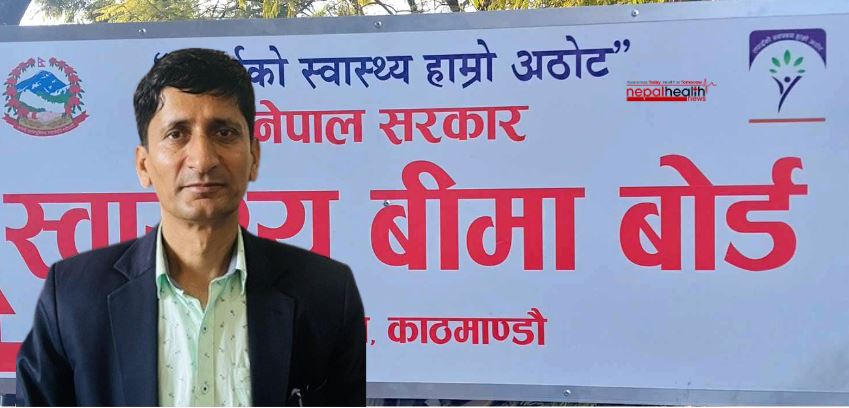
Health Insurance Program Providing Relief to the Public
The health insurance program has been implemented in all 77 districts. It provides up to NPR 100,000 worth of free medical treatment per citizen. According to the Ministry of Health, the program has been especially beneficial for chronic patients. There is a goal to increase the insurance coverage to NPR 500,000 in the future.
Equitable Access to Medical Education Through Reservation System
Through the Medical Education Commission, the government has ensured access to medical education for marginalized groups via reservation policies. This move has broken the notion that "only the wealthy can become doctors."
Growing Brain Drain of Health Workers, Urgent Need for Staffing Review
Around 80% of nursing students in Nepal reportedly wish to go abroad. The outmigration of healthcare professionals to the U.S., Australia, Europe, and Canada is increasing rapidly. Experts warn that if workforce management is not addressed soon, Nepal may face a severe shortage of healthcare workers.
Federal Structure, Government Focus on Quality Healthcare
Healthcare services are being provided through coordination between federal, provincial, and local levels. Eighteen hospitals are under the federal government, while the rest are under provincial control. Ayurvedic hospitals have been established in all seven provinces.
The government has implemented minimum service standards for healthcare institutions at all levels and enforced a code of conduct for medical professionals. The Ministry of Health prioritizes strengthening healthcare services with trauma centers, modern equipment, and specialist staff.