



New subvariants of the Omicron group of the coronavirus detected in Nepal
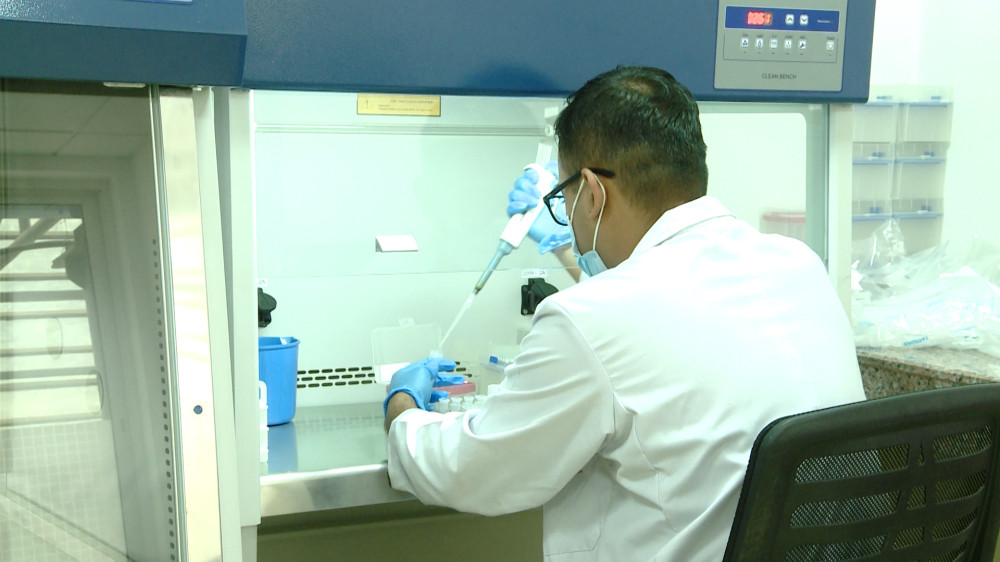
Nepal Health News, Kathmandu – A new variant of the coronavirus (a recent sub-lineage of Omicron) has been detected in Nepal. According to Dr. Prakash Budhathoki, spokesperson for the Ministry of Health and Population, genome sequencing conducted at the National Public Health Laboratory in Teku has identified several subtypes of the Omicron group.
Testing of 14 samples collected between June 4 to 11 (Jestha 22 to 29 in the Nepali calendar) revealed the presence of seven cases of XFG, three of XFG, one of XFG 3.1, and two of JN.1. All of these are newer forms within the Omicron family.
The virus that causes COVID-19 continues to evolve over time through a process known as genetic mutation. These mutations can result in new variants, which may show different symptoms. The World Health Organization has stated that although such new variants may spread more quickly, they are generally not extremely severe.
Currently, Nepal is witnessing a rise in COVID-19 cases. Infections are especially being detected among individuals returning from India. Health checks at border areas have shown an increase in such cases.
According to the Epidemiology and Disease Control Division, since December (Poush), 167 people have tested positive for COVID-19 across 25 districts. Among them, Bagmati Province has reported the highest number with 131 cases, followed by Koshi with 4, Madhesh with 5, Gandaki with 3, and Sudurpaschim with 21.
Infectious disease expert Dr. Sher Bahadur Pun states that symptoms may include cold and cough, body aches, nasal congestion, sore throat, fever, fatigue, and diarrhea. The virus can spread through droplets from sneezing, nasal discharge, saliva, or contact with phlegm.
Elderly individuals, young children, people with chronic illnesses, pregnant women, and those with weakened immune systems are at higher risk and are advised to take extra precautions.
To stay safe, health authorities recommend wearing face coverings, maintaining hand hygiene, getting vaccinated, and isolating if symptoms appear.
The Ministry of Health has also announced that support centers at three international airports and 17 land border checkpoints have been made more effective.