



Private hospitals in Kathmandu are disposing of hazardous waste without autoclaving: High risk of infection spread.
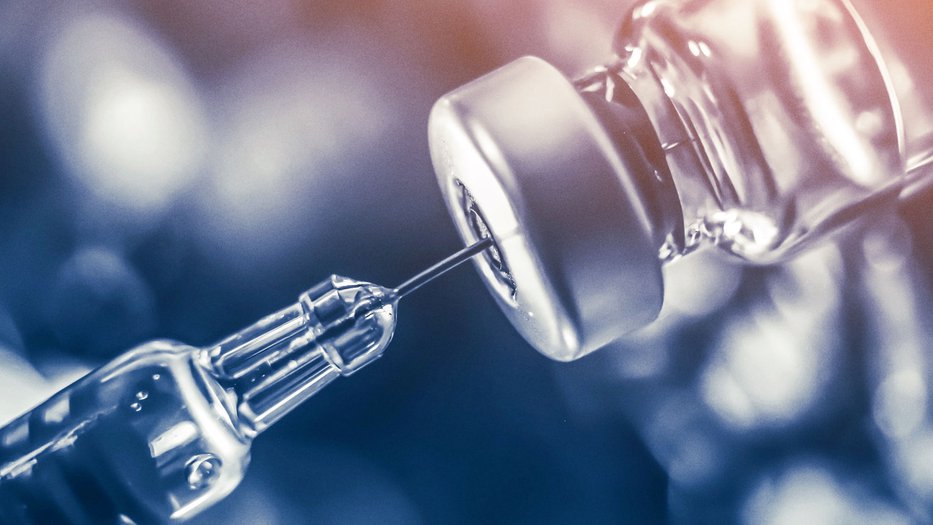
Nepal Health News, Kathmandu – An irregular inspection conducted by the Environment Department of Kathmandu Metropolitan City (KMC) has revealed that some private hospitals in the Kathmandu Valley have been disposing of used syringes and hazardous medical waste without autoclaving them.
According to the World Health Organization (WHO), hazardous waste can have serious health impacts, including physical injuries, chemical burns, drug-induced toxicity, radiation exposure, and infections caused by bacteria or viruses.
Autoclaving is a process that uses high-temperature steam to disinfect small tools, equipment, or medical waste, making them safe for disposal.
According to the department’s environmental inspector, Srishti Shrestha, three private hospitals have been fined in the current fiscal year for failing to manage hazardous waste safely.
Experts say that hospital waste management in Kathmandu is a very important yet highly neglected issue. According to officials, not only private health institutions such as hospitals, nursing homes, polyclinics, and laboratories, but even government hospitals have been found to be mixing medical waste with household waste and disposing of it improperly.
Shrestha stated that the department fined Nepal National Hospital in Kalanki and Buddhamai Hospital in Teku NPR 100,000 each, and Everest Hospital in Baneshwor NPR 50,000.
She said, “We had already issued warnings to those private hospitals regarding the proper management of hazardous medical waste and had provided directives to follow. However, they neither took the warnings seriously nor followed the instructions.”
Most healthcare institutions, including government ones, lack proper equipment for destroying medical waste. According to doctors, mixing hospital waste with household waste can lead to the spread of diseases such as HIV, Hepatitis B and C, tuberculosis, tetanus, and coronavirus.
Not only municipal waste collectors but also informal waste pickers are at risk of injuries and infections from used syringes discarded by health institutions.
Shrestha mentioned that some hospitals do not have autoclave machines at all, and some have not even provided protective gear to employees assigned to separate waste. It has been found that hazardous waste is being transported to various locations to separate recyclable items and is ultimately dumped at landfill sites.
Within the KMC area alone, more than 2,100 health institutions—including hospitals, nursing homes, polyclinics, and laboratories—are currently in operation. According to officials, many of these institutions do not have operating permits, and many hospitals have not renewed their licenses.
According to KMC officials, almost all private health institutions mix medical waste with household waste. They added that some institutions even burn such waste in open spaces, which is extremely harmful to the environment.
Experts warn that burning medical waste is the worst disposal method, as it releases carcinogenic chemicals like dioxins and furans. Such pathological waste contains harmful bacteria and viruses that can easily spread in the community if not managed properly.
Since many private clinics and laboratories are operating without approval, authorities have no information on how these facilities are managing their waste.
According to a study published in 2020 by the Ministry of Health and Population, private hospitals commonly burn, bury, or mix post-immunization waste with household waste.
The study found:
-
Only 7.7% of private health institutions used disinfection and recycling methods.
-
19.2% burned immunization waste.
-
15.4% mixed medical waste with household waste.
-
2% practiced needle burial.