



Sunita searches for light in the shadow of malaria
Awareness and timely treatment can prevent malaria

unita was a smart student from a small village. She always came first in her class. It was the 25th of Baisakh (April)—a special day at school: World Malaria Day.
Sunita had no idea why this day was celebrated. But the principal gathered all the students and said,
“Children, today we will learn about malaria. This disease still proves dangerous to many lives, so it is important that we stay aware.”
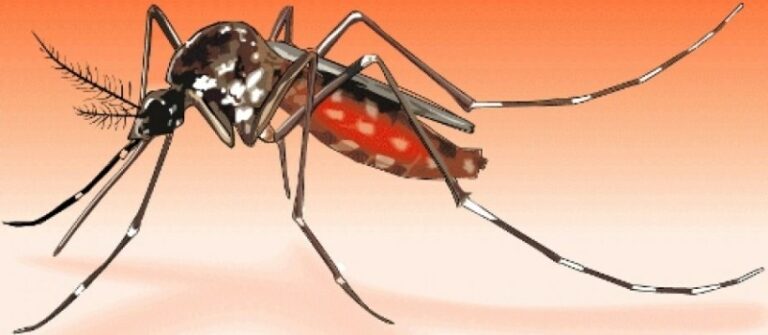
Sunita was surprised. For the first time, she learned that malaria is a disease spread by a mosquito called Anopheles, which transmits a parasite called Plasmodium into the body. This parasite affects the liver and blood.
A health worker from the local health office demonstrated how to use mosquito nets, how to prevent water from collecting around homes, and what kind of clothes to wear.
“If you experience symptoms like fever, headache, or chills, you must immediately visit a health center,” he said.
At the end of the day, Sunita told her friends,
“From now on, we won’t let water collect around our homes. I’ll also inform my parents about malaria when I get home.”
The school gave everyone a small leaflet that read:
“Malaria can be stopped—just by being aware.”
From that day onwards, not just Sunita, but her entire village began to become aware and alert against malaria.
Lesson:
Malaria is a serious disease, but with awareness and timely treatment, it can be prevented. World Malaria Day, celebrated every year on April 25, inspires us all to come together in the fight against this disease.