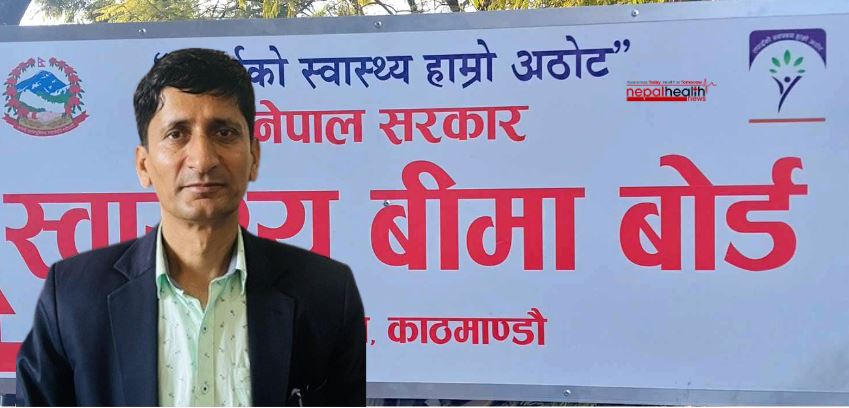




Rs. 48,737 stipend will be automatically applicable to newly enrolled students — Prof. Dr. Gyanendra Man Singh Karki
A request to residential students: Don't follow middlemen, focus on your studies

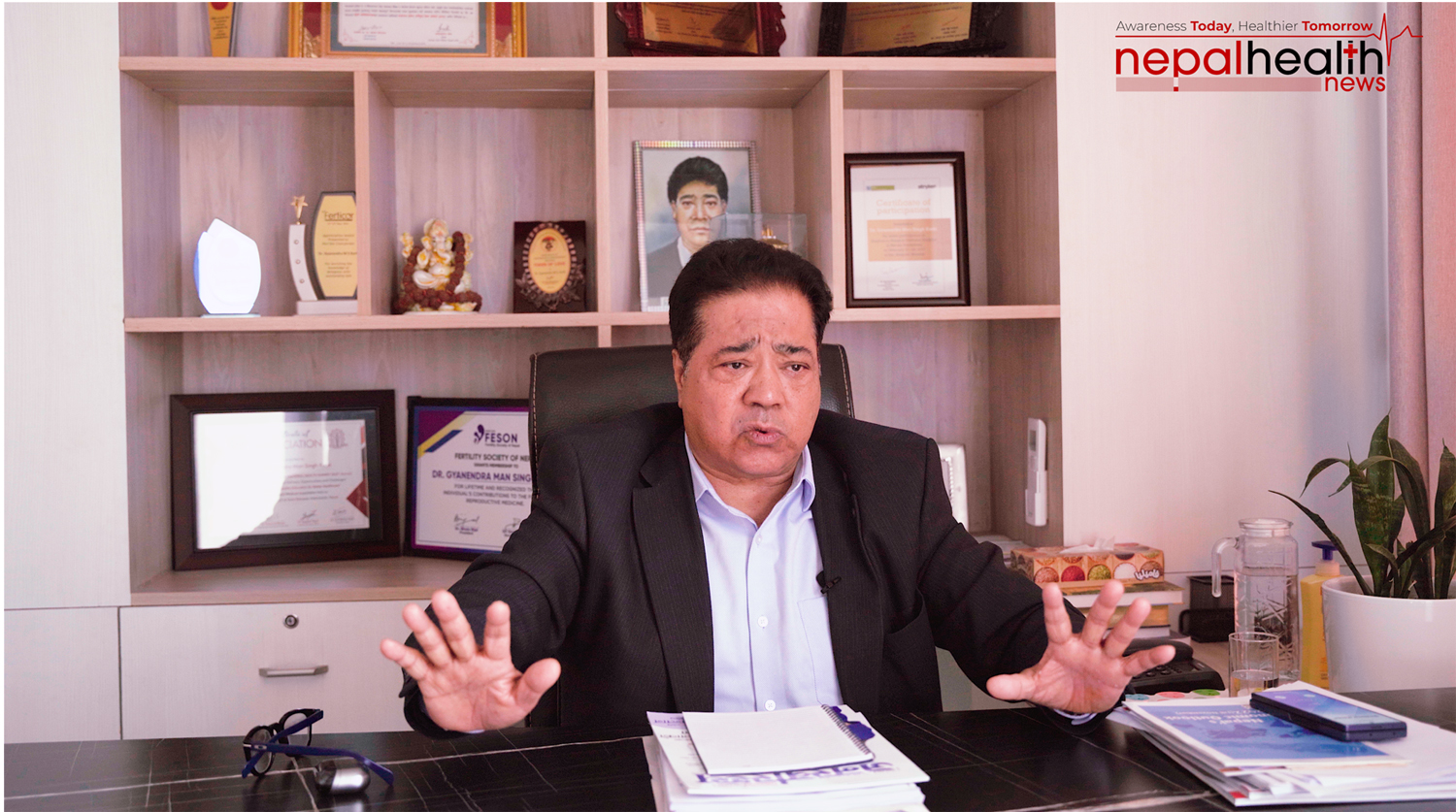
Nepal Health News, Kathmandu: Nepal’s medical education sector is currently at the epicenter of subtle tension, as relations between medical college operators and resident doctors grow increasingly strained. The issue is complex, but not unsolvable. There is a clear need for dialogue, mutual understanding, and transparency.
Root Cause of the Rift: Lack of Communication and Spread of Misinformation
“This is not a problem that cannot be solved,” says Prof. Dr. Gyanendra Man Singh Karki, President of the umbrella organization of private medical colleges — the Nepal Medical and Dental College Association of Nepal. “But someone created confusion for their own interest.”
According to him, had there been proper communication, such clashes between resident doctors and college management could have been avoided. The problem lies not only in the lack of communication but also in the emergence of intermediaries who appeared in the name of mediation and drove both sides apart.
Who Is Responsible?
Postgraduate (PG) level students are admitted through the university and sign a written agreement.
“We follow the university’s directives,” clarifies Prof. Dr. Karki. “We provide students the stipend as set by the university.”
Regarding the newly approved stipend of NPR 48,737 per month by the 16th meeting of the Medical Education Commission, Dr. Karki says, “This decision will now be automatically applicable to newly enrolled students. We cannot deny it.”
Accusations of Exploitation: Fact or Misconception?
Resident doctors have long demanded to be treated not as ‘students’ but as ‘doctors’. On the other hand, medical college operators maintain: “Resident doctors are not employees; they are students receiving a stipend.”
Dr. Karki points out, “In the past five years, the stipend has increased from 700,000 to 2 million (per year), but the fees collected by the colleges have remained the same.”
A Way Forward: How Can the Gap Be Bridged?
“We have not said we won’t provide the stipend,” says Prof. Dr. Karki. “But it has started to affect us too.”
One solution he proposes for colleges is the ability to increase student intake. “Students wishing to study abroad could stay and study within the country if colleges were allowed to enroll up to 150 students.”
Protest and Appeal
Caught in the tug-of-war between the Nepal Medical Association and college operators are the resident students. As a medical college operator himself, Dr. Karki makes a final appeal: “Don’t be provoked by anyone. Return to your studies. Do not seek mediation from anyone.”
Conclusion
This is not just about salaries or stipends. It is a question of the long-term integrity and health of Nepal’s medical education system. If both sides show a little flexibility and keep the door to dialogue open, the distance between doctors and institutions can surely be bridged.