



Surgery made the face, but ruined the life
Rising Plastic Surgery in China: Bright Dreams and Dark Realities

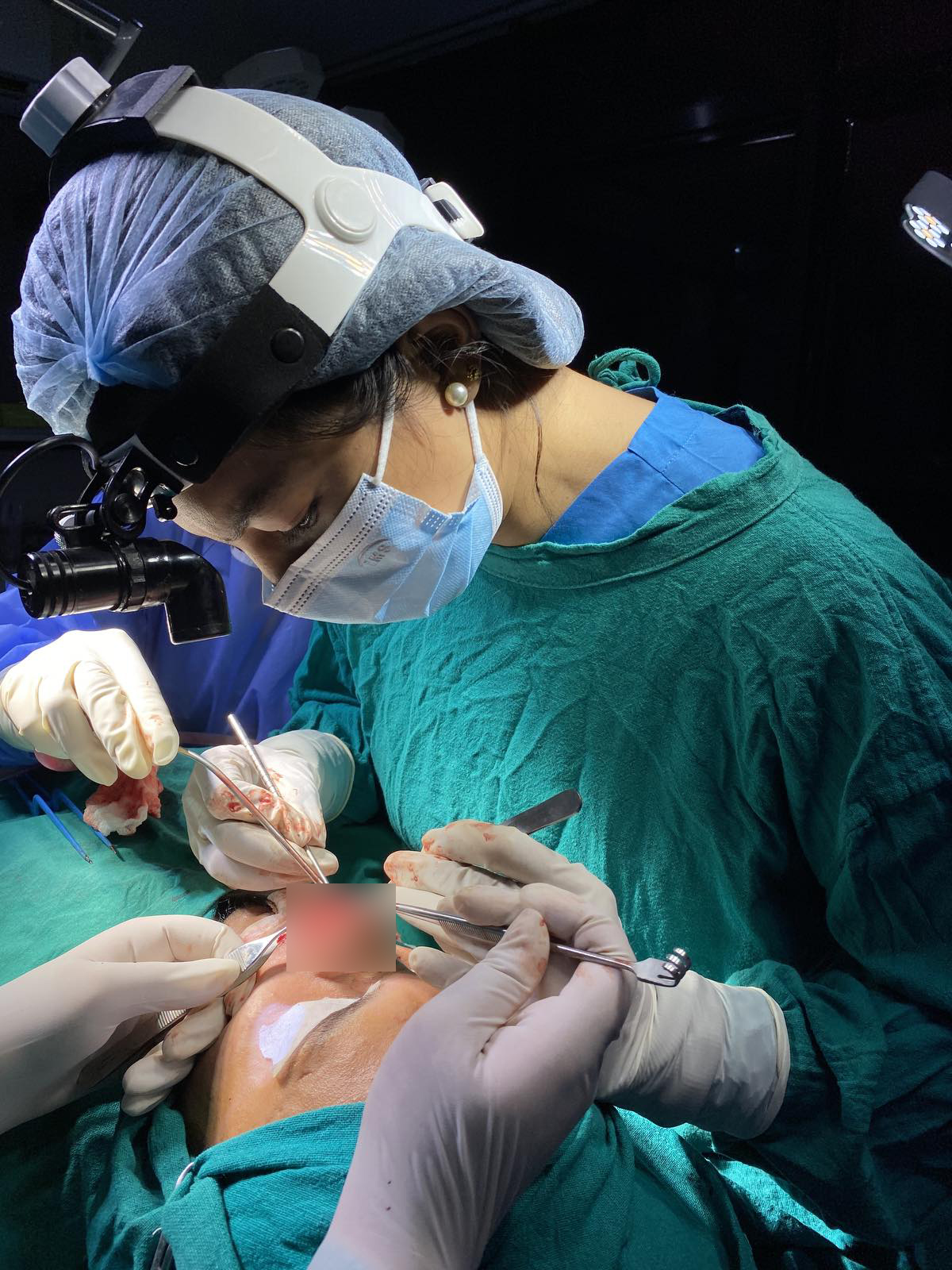
Nepal Health News : "Be brave. You’ll look beautiful when you walk out," were the words that still echo in Abby Wu’s ears, spoken by her mother as she was being taken into the surgical room. She was just 14 years old that day. Now 35, Abby has undergone hundreds of cosmetic surgeries—spending over 500,000 US dollars in the pursuit of beauty.
In China, plastic surgery is no longer seen as "optional"—it has become the new normal. Faces resembling anime characters, double eyelids, prominent chins, slim noses, and baby-like facial features have become the defining traits of "beauty." Clinics, mobile apps, and social media are further fueling this booming industry.
Pain in the Name of Beauty
Like Abby, another young woman named Yu Yu lost her face while chasing a "baby face" look. A cheap clinic, incorrect injections, and worsening treatments followed. "It felt like cement was filled under my skin," she said. Similarly, actress Gao Liu’s nose surgery ended her acting career—her nose tip turned black due to complications.
Such incidents are not uncommon in China. Reports suggest that over 80,000 unlicensed clinics are operating across the country, employing around 100,000 untrained individuals.
Social Media and the Terms of Beauty
Mobile apps like SoYoung and Gengmei scan users' faces and recommend surgeries. The algorithms identify facial “flaws” and suggest nearby clinics. Even experienced users like Abby were shocked by some recommendations—such as nose and chin surgeries she had already undergone.
This industry is spreading through celebrities, influencers, and young women. Many have shared experiences like, “I couldn’t get a job unless I had surgery.” One woman was offered a job as a beauty consultant—but only on the condition that she undergo eye surgery. She was given a loan, charged interest, went through surgery—only to lose the job within weeks.
Beauty or Conformity?
This trend is impacting Chinese women socially, mentally, and economically. While many report an increase in self-confidence, surgeries often lead to more dissatisfaction than fulfillment. “I’m still not satisfied,” Abby says. “Maybe after the next surgery, I’ll be perfect.” But where does the pursuit of “perfection” end?
Conclusion: A Face Lost in the Mirror
In China, plastic surgery is no longer just a choice—it is a result of social pressure, professional demands, and digital filters. In search of confidence, young women are losing their natural selves. In the end, the real question arises: Are we trying to be beautiful, or just trying to be socially accepted?