



Deception in the Dietary Supplement Market: Registered Under United, Supplied by Augusto
Questions on the registration and control system of food supplements in Nepal

Nepal Health News, Kathmandu – A businessman from Birgunj has been found to have registered a dietary supplement in Nepal under the name of India’s United Laboratories but imported and sold products manufactured by a different company.
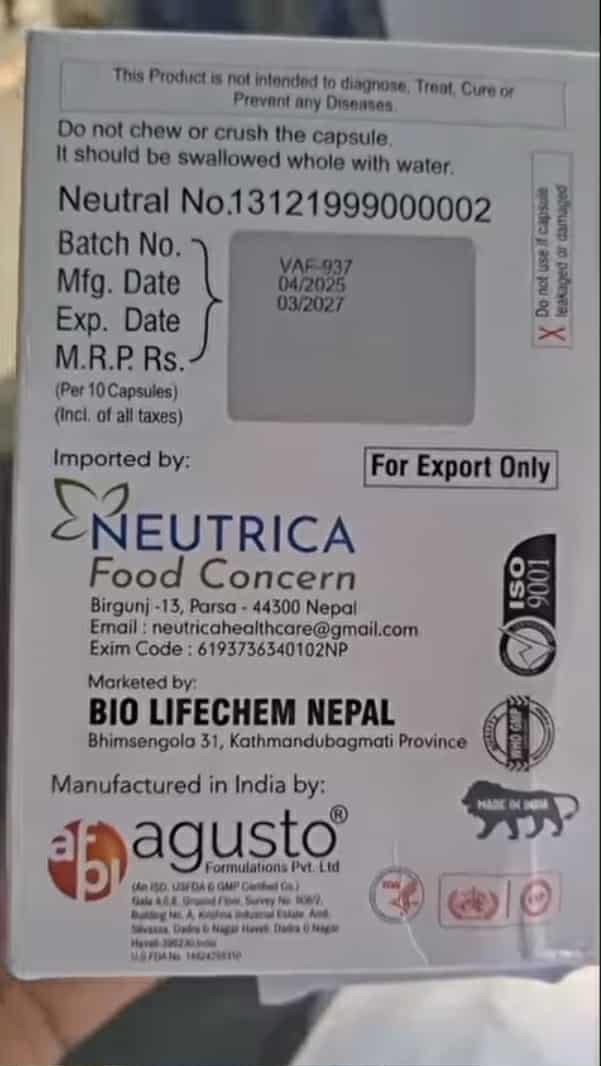
Sunny Dwibedi , a resident of Birgunj-13 and operator of Nutrica Food Concern, registered a product called Nutric Cure Capsule from United Laboratories with Nepal's Department of Food Technology and Quality Control (Registration No. 3520). However, it has now been confirmed that the products actually brought into Nepal for sale were manufactured by Augusto Formulations, without obtaining the necessary approval.
The illicit import was uncovered when the products were being smuggled into Nepal via the India–Nepal border through Raxaul without completing the customs clearance process. The goods were seized by the Armed Police Force during transport.
Although the import was carried out by Nutrica Food Concern, the packaging labeled the product as “Marketed by: Biolife Chem Nepal, Bhimsengola–31, Kathmandu” — a company that is not registered with the department.
The case has taken a serious turn. United Laboratories has formally written to the Department of Food Technology and Quality Control via the Nepal Nutraceutical and Cosmaceutical Association (NNCA), expressing concern over the misuse of its brand name and claiming reputational damage. “Our company’s name has been misused with malicious intent, which has adversely affected our business image,” stated the letter.
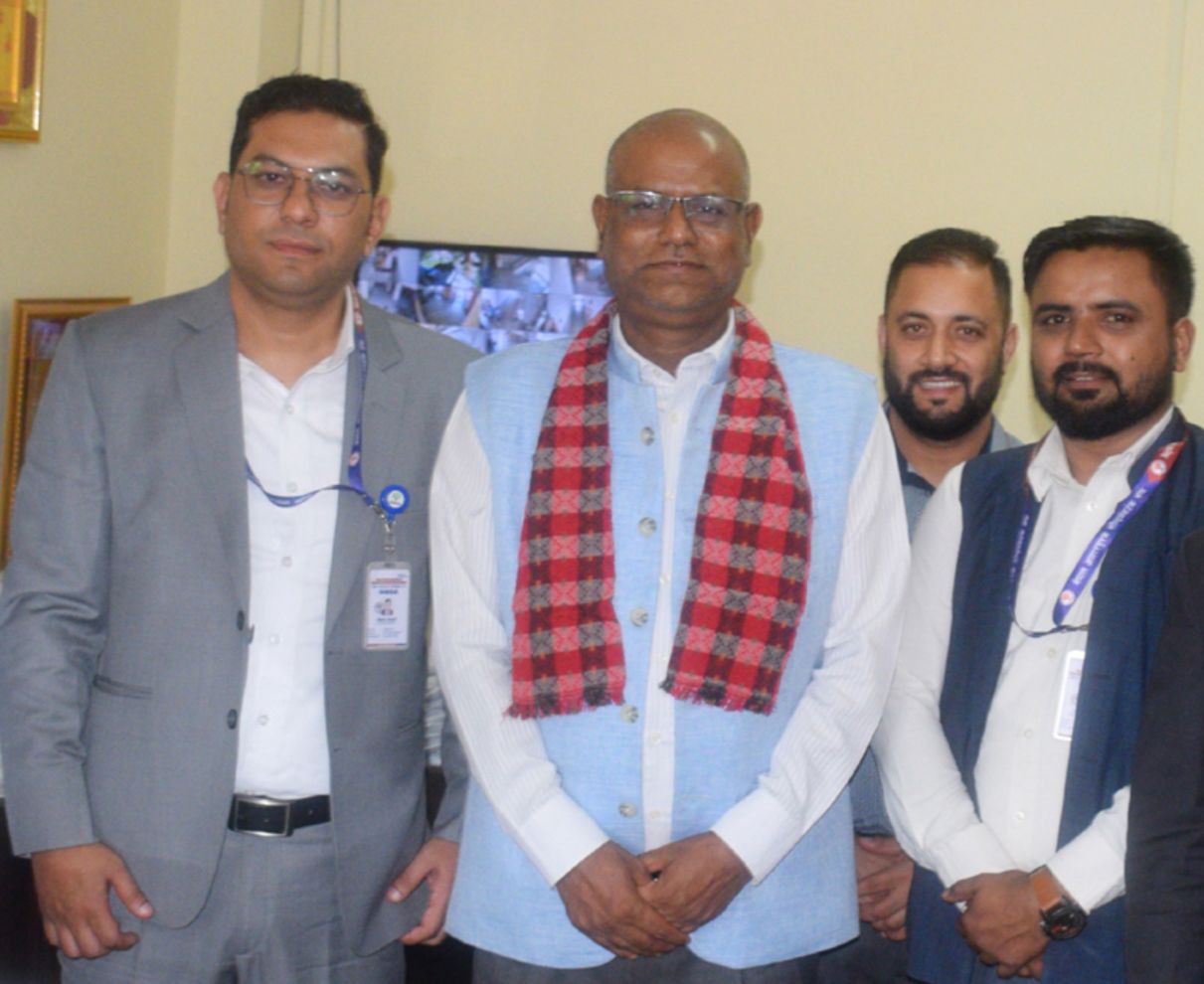
According to NNCA General Secretary Suraj Poudel, both Indian companies — Augusto and United — reached out to the association and shared their concerns. Following the incident, NNCA representatives met with the Department of Food Technology and Quality Control, Director General, Sanjiv Karna, and demanded strict action.
Director General Karna acknowledged the seriousness of the incident and assured that an investigation would begin immediately. He committed to taking action against any business operating outside the bounds of the law.
NNCA President Biplav Ranjit remarked, “Due to the illegal actions of a few, the reputation of the entire dietary supplement industry is being tarnished. The association will not support any business operating outside legal parameters under any circumstances.”
This case also raises questions about Nepal’s dietary supplement registration and regulatory system. If such registration loopholes continue, how can consumers trust the safety and legitimacy of supplements in the market? Is this just a small mishap — or part of a larger, deliberate scheme? Time will tell.

Health Insurance Board Director Kafle has submitted his resignation
January 18, 2026