



Clean Hands, Safe Life: Gloves Don't Protect, Hygiene Does
Hand hygiene should not just be a rule, but a way of life

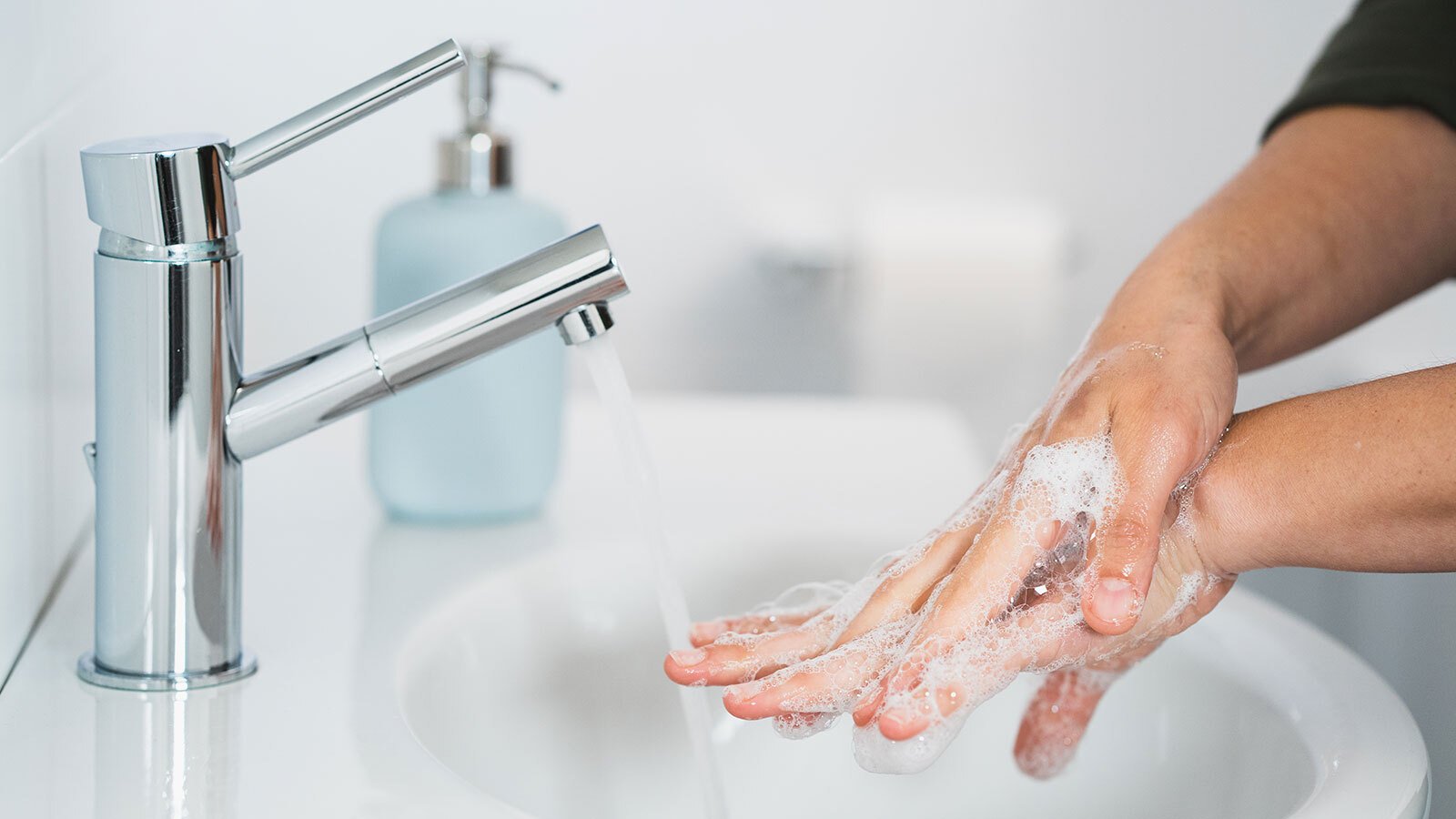
Every year on May 5, we are reminded of a small but life-saving practice—World Hand Hygiene Day. This year, the World Health Organization (WHO) continues the tradition with the same message: "Gloves may be used, but hand hygiene is always essential."
This day was first established in 2005 under WHO’s First Global Patient Safety Challenge, aimed at reducing healthcare-associated infections (HAIs). Since then, WHO has consistently emphasized hand hygiene as a low-cost yet highly effective tool for health protection.
Hand Hygiene: A Simple Practice, A Profound Impact
Keeping hands clean is not a luxury—it is a necessity. Whether you're a healthcare worker, a patient, or a member of the public, hand hygiene is the first step toward safe healthcare.
According to Dr. Saima Wazed, WHO Regional Director for South-East Asia, hand hygiene not only prevents infections but also contributes to universal health security. It helps ensure quality healthcare and supports broader programs related to water, sanitation, hygiene, and antimicrobial resistance.
Wearing Gloves Isn’t Enough
This year’s theme highlights an important and often overlooked truth: “It’s not that gloves shouldn’t be used—but that gloves alone aren’t enough.”
While disposable medical gloves serve as a barrier, they do not eliminate microscopic germs already present on our hands. That’s why it’s essential to wash hands both before and after wearing gloves.
A Glimpse of South-East Asia
According to the 2024 WHO Global Report on Infection Prevention and Control, most countries in the South-East Asia Region now have national IPC (Infection Prevention and Control) programs. Many have formulated policies in line with national standards, and six countries have dedicated budgets for IPC initiatives.
WHO has also launched a new Global IPC Strategy, Action Plan, and Monitoring Framework (2024–2030). This provides member states with a clear roadmap to strengthen infection control. A comprehensive implementation guide is also available to support effective execution.