



Child mortality due to diarrhea has tripled in Nepal; experts are concerned


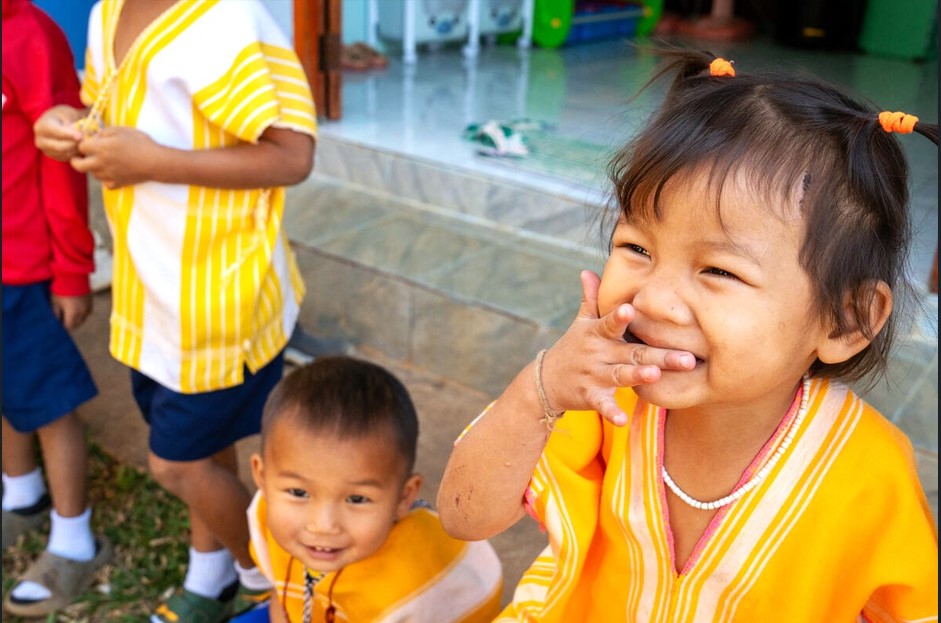
Nepal Health News, Kathmandu – In recent years, waterborne diseases have been rapidly increasing in Nepal, with a significant rise in child mortality due to diarrhea. In the fiscal year 2080/81 (2023/24), 14 children under the age of five died from diarrhea—nearly three times higher than the previous year's count of just four deaths.
According to the Ministry of Health and Population, the number of deaths from diarrhea is increasing not only among children but across the general population as well. During the pre-monsoon period and the subsequent monsoon season, the contamination of water sources due to heavy rains has become a major public health concern.
A government study revealed that nearly 70% of water samples tested in the Kathmandu Valley were contaminated with bacteria like E. coli and fecal coliforms. Alarmingly, such contamination was also found in bottled drinking water.
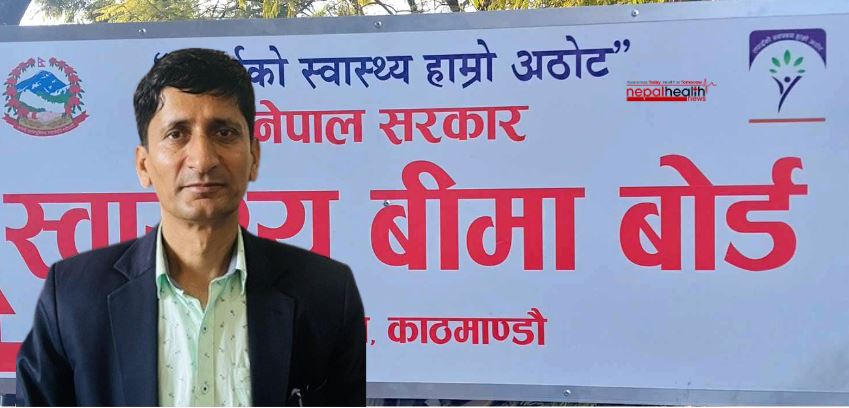
Former Director of the Epidemiology and Disease Control Division, Dr. Baburam Marasini, stated that personal hygiene is still widely neglected in the country. “We have not done enough to raise public awareness, which is why people are still dying from preventable diseases like diarrhea,” he said.
In Nepal, diarrhea is a seasonal disease that is primarily spread due to poor drinking water and sanitation. It is especially a major health issue for children. Statistics show that last year, 115 out of every 1,000 children were hospitalized due to diarrhea. That number has now increased to 127. Over 280,000 children sought hospital treatment for diarrhea in the recent year, marking a rise compared to the previous year.
However, health experts warn that hospital data only reveals part of the picture. Over 90% of infected individuals treat themselves at home, meaning the actual number of infections may be much higher.
According to Dr. Mukesh Paudel, people tend to visit hospitals only in severe cases, making it difficult to determine the true scale of infections.
Last monsoon, Nepal suffered a major cholera outbreak. A total of 95 cases were confirmed across nine districts. Tests confirmed the presence of Vibrio cholerae 01 Ogawa serotype in stool samples from the infected, and hundreds of people remained ill for months.
Health experts say that lack of sanitation, unsafe drinking water, and poor personal hygiene are contributing to the spread of diseases like diarrhea, dysentery, typhoid, and hepatitis. A large portion of the population is affected by these illnesses every year.
Doctors emphasize that raising public awareness, improving the quality of drinking water, and enhancing sanitation infrastructure are crucial steps to address the issue.
Dr. Marasini adds that long-term solutions lie in behavioral change, investment in education and literacy, and promoting sensitivity toward hygiene. According to the World Health Organization, diarrhea is the second leading cause of death among children under five, and it can have long-lasting impacts on physical and cognitive development, particularly in vulnerable and marginalized communities.