



World Thalassemia Day 2025: Emphasis on Access to Quality Treatment
Nepal Health News, Kathmandu:World Thalassemia Day is being observed today, May 8, with various awareness programs across Nepal and around the globe.
The theme for 2025, "Empowering Lives, Embracing Progress: Ensuring Access to Quality Treatment for Every Patient", highlights solidarity with thalassemia patients and focuses on the importance of effective treatment and prevention strategies.
What is Thalassemia?
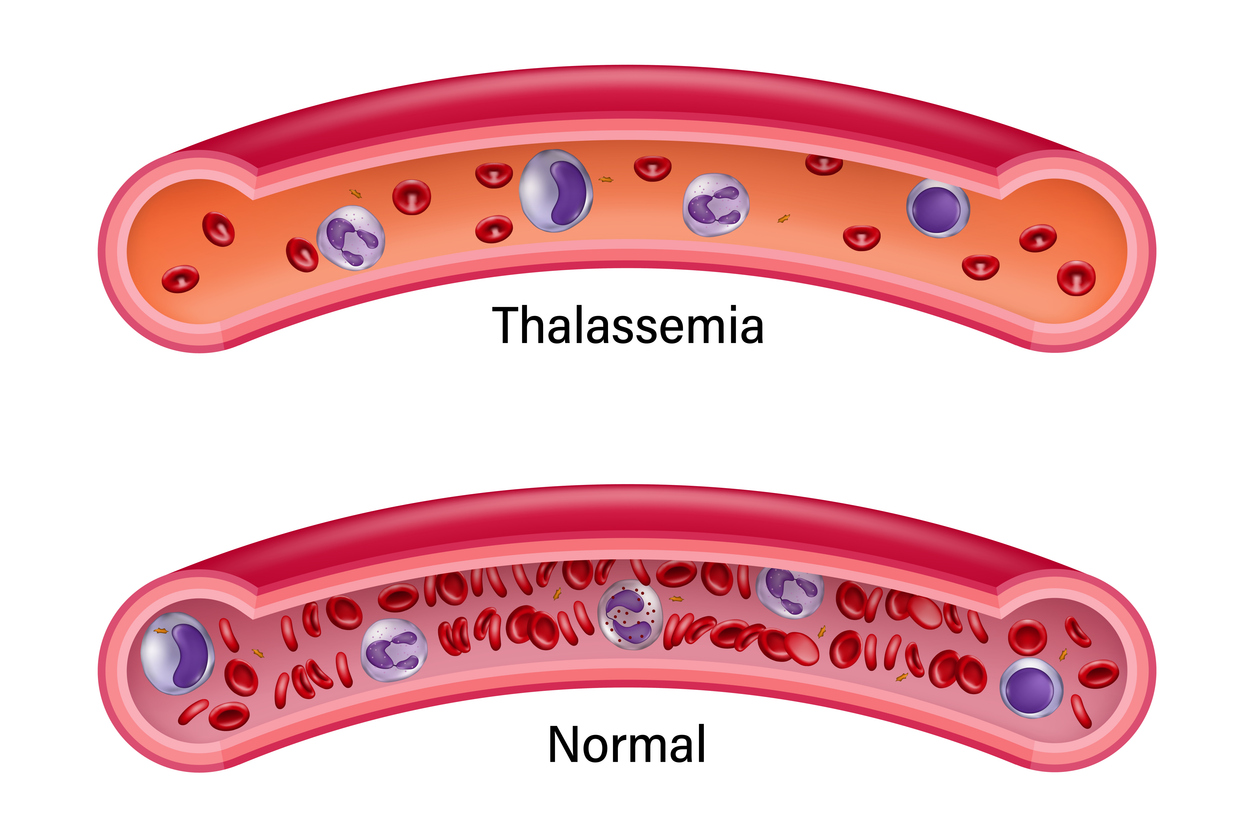
Thalassemia is a serious inherited blood disorder that reduces the body’s ability to produce hemoglobin. A deficiency in hemoglobin causes patients to suffer from low oxygen levels in the body, leading to fatigue, weakness, and various other complications.
Rising Risk in Nepal
Though thalassemia was once considered a rare disease in Nepal, the risk is now increasing, particularly in the Terai districts like Morang, Jhapa, Sunsari, Saptari, Siraha, Dhanusha, Bara, Parsa, Rautahat, Sarlahi, Kailali, and Kanchanpur. Both minor and major types of thalassemia are found in these regions. Experts report that certain communities—such as the Madhesi, Muslim, Tharu, and Rajbanshi—are at higher risk. Patients from urban centers like Kathmandu, Pokhara, Nepalgunj, and Butwal also seek treatment regularly.
Symptoms and Challenges
Individuals with thalassemia minor often show no symptoms. However, if two carriers marry, their child may inherit thalassemia major, a more severe form requiring lifelong blood transfusions. Symptoms of severe thalassemia include extreme fatigue, pale skin, jaundice, digestive issues, abdominal swelling, dark urine, and delayed physical development.
Treatment is Complex and Costly
Treatment for thalassemia major is lifelong and includes regular blood transfusions every 3–4 weeks, iron chelation therapy, and complex procedures like bone marrow transplants. While gene therapy remains in the research phase, it holds promise as a future treatment option.
In Nepal, certain government hospitals—such as Tribhuvan University Teaching Hospital, Kanti Children’s Hospital, and Civil Hospital—offer treatment services. The government also provides free blood transfusions for thalassemia major patients.
Prevention is the Key
Efforts are underway to make premarital and prenatal screening mandatory to prevent thalassemia. Health professionals advise individuals with thalassemia minor not to marry someone with the same condition. Organizations like the Nepal Thalassemia Society and Nepal Red Cross play vital roles in raising awareness, organizing blood donation drives, and assisting patients with medications.
A Day for Awareness
Today’s observance is an opportunity to spread awareness about thalassemia and encourage communities to adopt screening and prevention measures. Especially for high-risk groups, regular screening, premarital testing, and ensuring access to treatment are urgent needs.