



National conference on leprosy elimination and ending discrimination begins
Inaugurated by Prime Minister Oli, high-level commitment expressed

Nepal Health News, Kathmandu.
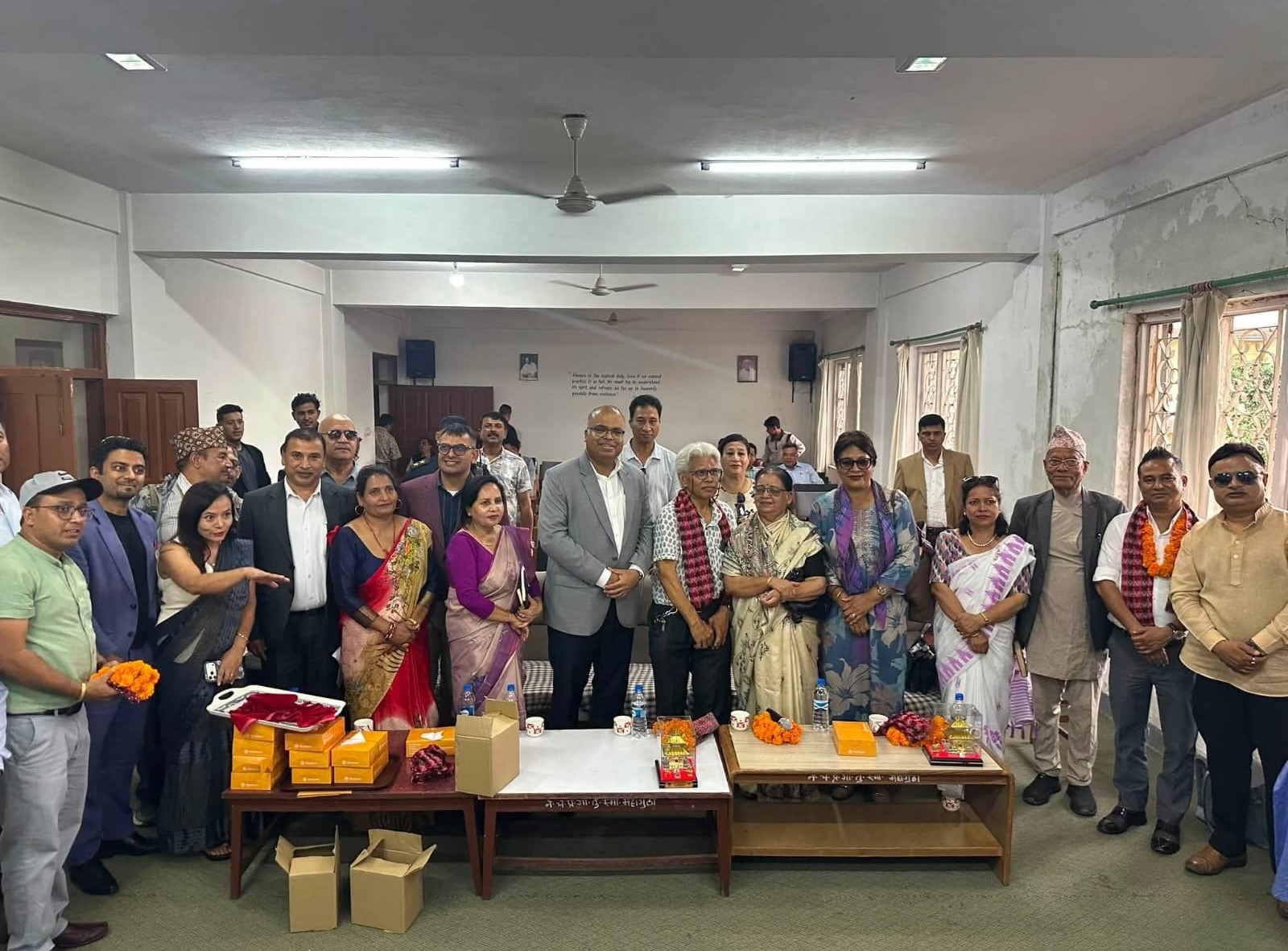
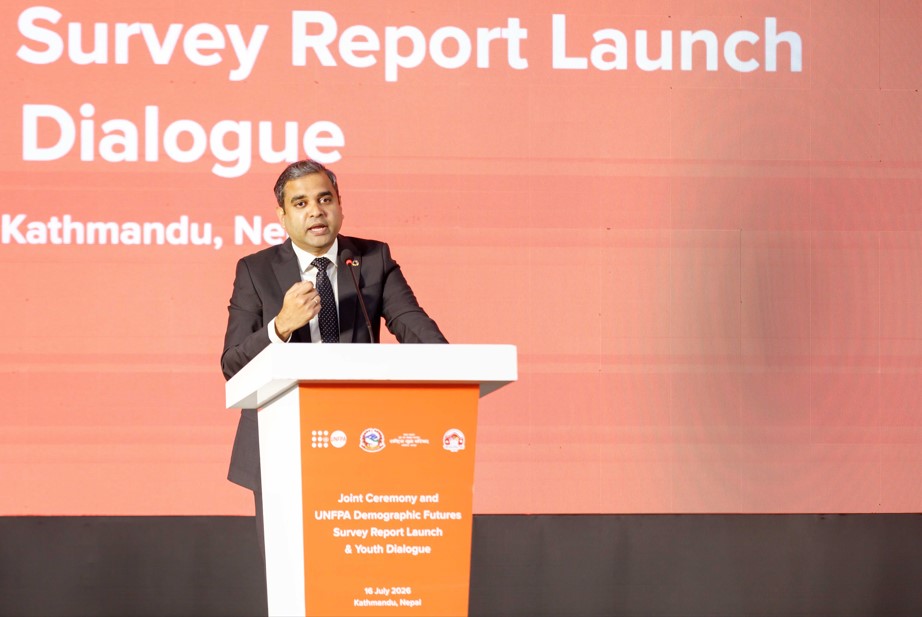
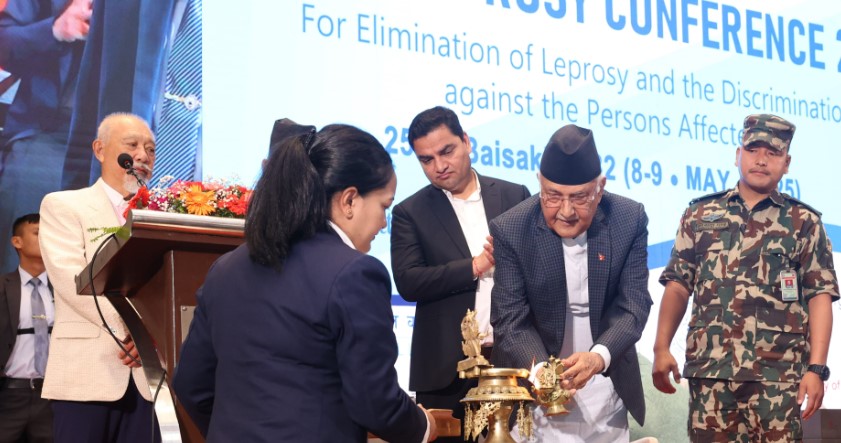
A two-day national conference aimed at eliminating leprosy and ending discrimination against those affected by it has begun in Kathmandu from Thursday, organized by the Ministry of Health and Population, Government of Nepal.
The conference was inaugurated by Prime Minister KP Sharma Oli. Speaking at the event, he stated that the government will leave no stone unturned in eliminating leprosy and ending the social discrimination faced by those affected. “The government has already been focusing on leprosy control through special programs,” said Prime Minister Oli, “but public participation is also crucial in this effort.”
The program, chaired by Minister for Health and Population Pradeep Paudel, featured a presentation by Ministry Secretary Dr. Vikas Devkota, who outlined the objectives of the conference, the current status of leprosy, challenges, and strategic plans.
Former Chief Justice Kalyan Shrestha; Chair of the Education and Health Committee under the House of Representatives, Ambar Bahadur Thapa; Chairperson of Nepal Law Society and former Deputy Speaker Pushpa Bhusal; WHO Nepal Representative Dr. Rajesh Sambhajirao; Goodwill Ambassador Yohei Sasakawa; Shobhakhar Kandel; and IDEA Nepal’s Amar Timilsina also shared their perspectives and expressed commitment to strengthening the campaign against leprosy.
The conference has brought together around 300 national and international experts and stakeholders. It is being organized in collaboration with Sasakawa Leprosy Initiative, Nepal Law Society, WHO Nepal, and Leprosy Mission Nepal, among others.
Focus on Provincial and Local Levels
The conference is engaging in in-depth discussions on accelerating leprosy control efforts at the provincial and local levels. Presentations and deliberations are also being held on best practices adopted in highly affected localities, challenges faced, and human rights-related issues, according to the organizers.
Leprosy Situation in Nepal
Every year, approximately 2,867 new leprosy cases are registered in Nepal. Currently, around 200,000 people in the country are affected by leprosy, of which more than 30,000 are estimated to be living with disabilities.
Nepal has set a target to eliminate leprosy by 2030. However, in 18 districts, the prevalence is still more than one patient per 10,000 population. Seven of these districts fall under Madhesh Province. Gandaki Province has the lowest prevalence rate.
The Government of Nepal, with support from the WHO, provides free treatment services to leprosy patients.
Brief Information About Leprosy
Leprosy is a disease that causes skin patches, loss of sensation, and, if left untreated, can lead to disfigurement and disability. Although the disease is easily treatable and has a low transmission rate, affected individuals often suffer from social exclusion and discrimination.