



Discrimination against leprosy patients is shameful: Deputy Speaker Rana

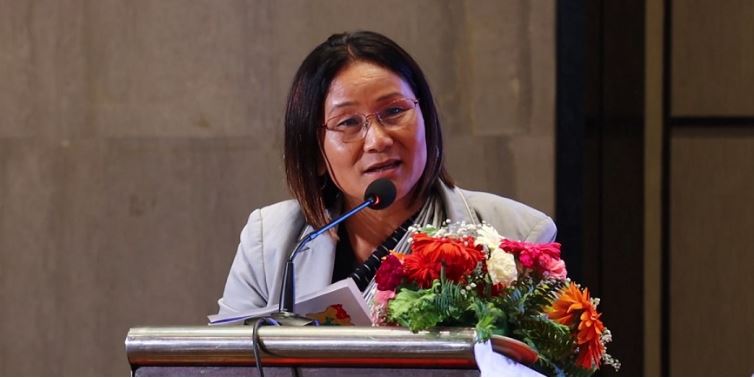
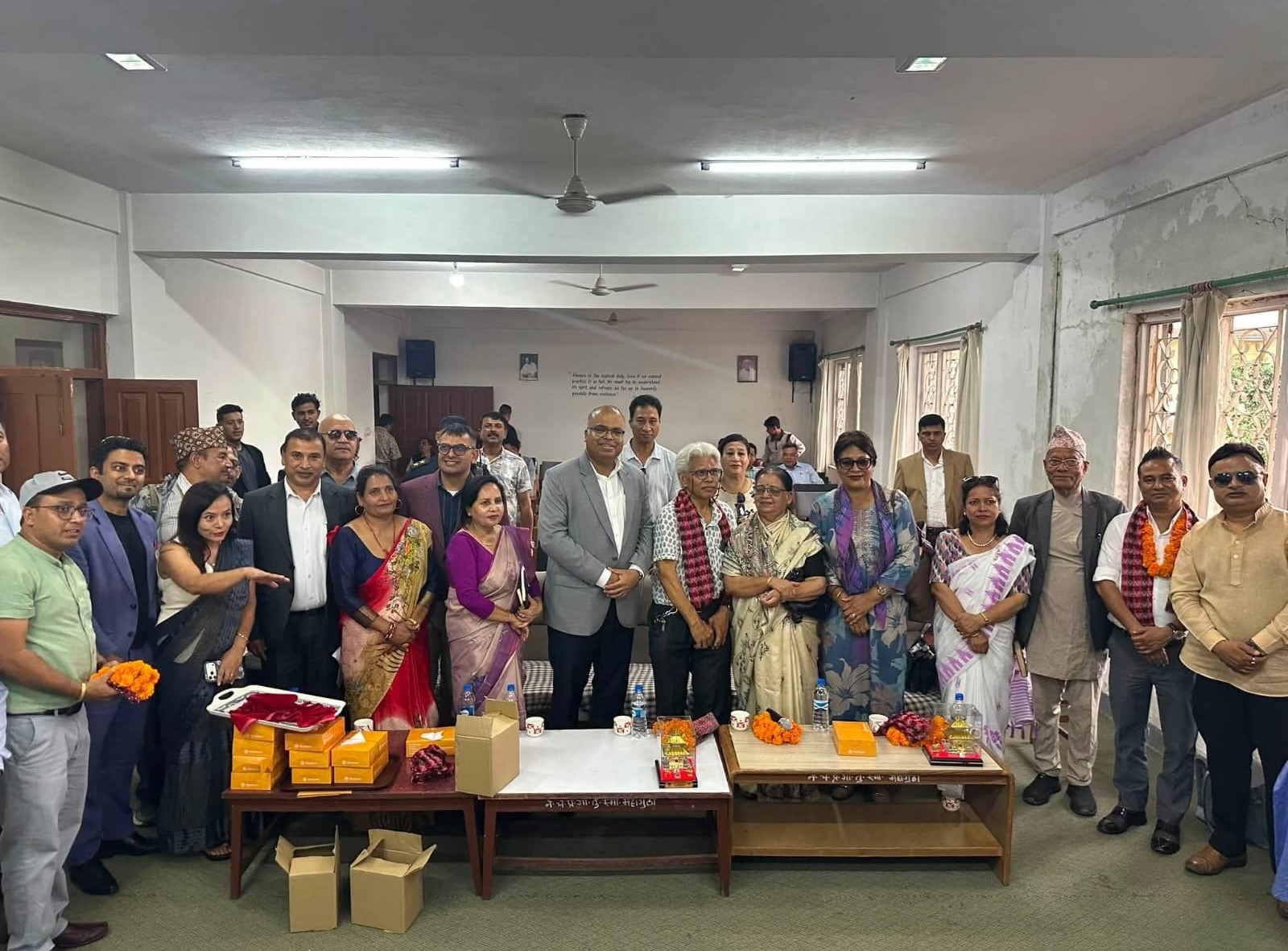
Nepal Health News, Kathmandu — Deputy Speaker of the House of Representatives, Indira Rana, has stated that eliminating legal discrimination related to leprosy is extremely important in today’s democratic society. Speaking at an international conference held in Kathmandu, she expressed serious concern over the existing social and legal discrimination against people affected by leprosy.
She condemned the continued use of the term "Maharog" (meaning “great disease”) in the law, calling it outdated and offensive. “Defining leprosy as ‘Maharog’ even in today’s era is, in itself, shameful. Such discriminatory terminology in the law does not align with the essence of democracy,” she said.
According to Rana, more than 200,000 leprosy patients have been registered in Nepal to date, but only about 30,000 of them have received social security allowances. Calling this situation unfortunate, she said that forcing patients into mental distress due to lack of support reflects society’s insensitivity.
“Leprosy is a treatable disease,” she clarified, “but using terms like ‘Maharog’ increases fear, shame, and mental health issues among the affected.”
She urged the government to create a supportive and dignified environment for people with leprosy. She also pledged to take initiative in the parliament to introduce a bill related to leprosy.
According to Deputy Speaker Rana, the time has come not only to change society’s perception of leprosy, but also to revise its legal definition.