



On-Site Drug Testing Program Halted in Nepal Due to Financial Constraints


Nepal Health News, Kathmandu:
Nepal’s Department of Drug Administration (DDA) has suspended its on-site drug testing program, which was launched to ensure the quality of medicines. According to department officials, the primary reason for this suspension is the lack of anticipated financial support from the U.S. aid agency USAID and the failure of the Ministry of Health to approve the necessary budget.
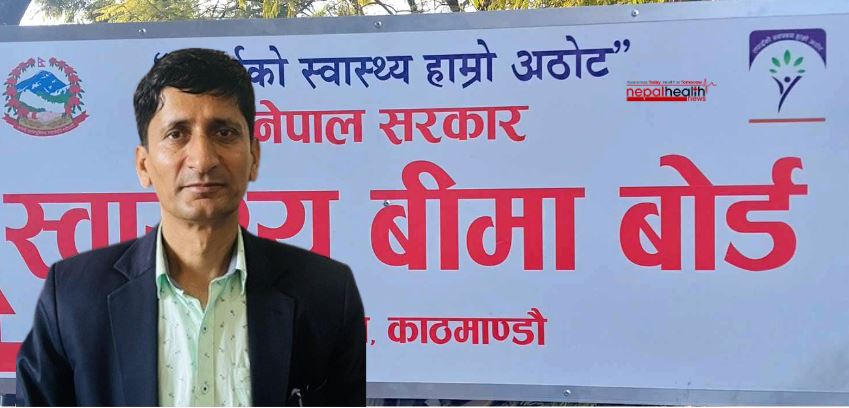
Last year, the DDA had initiated the on-site testing program to verify the quality of prescribed medicines, with both financial and technical support from USAID. The department had plans to expand this initiative further and had submitted a budget proposal to the government. However, due to the unfulfilled financial commitment from USAID and the Ministry’s refusal to approve the proposed budget, the program could not be continued, said DDA Director Narayan Dhakal.
On-site drug testing involves the examination of various parameters such as drug identification, disintegration, breakage, splitting, capping, cavitation, contamination, presence of foreign particles or empty capsules, stickiness, color, odor, taste of liquids, labeling, brand names, and generic names.
The department had trained 28 drug inspectors and technical staff with plans to deploy them to hospitals across the country for on-site testing. Additionally, a four-day field-based screening training had also been conducted for drug inspectors.
However, due to the suspension of financial assistance from USAID and budget cuts from the Ministry of Health, several health-related programs, including the on-site drug testing initiative, have been adversely affected. As a result, other planned programs—such as public awareness campaigns on drug quality, health risks of over-the-counter medications, the misuse of antibiotics, and capacity-building of departmental staff—have also been impacted.
According to department officials, the suspension of the on-site testing program is a direct consequence of halted financial support from USAID and budget cuts from the Ministry. This has affected or delayed the implementation of various programs under the Ministry of Health, potentially having long-term negative impacts on public health.
The department had also planned to upgrade its laboratory to meet ISO (International Standards Organization) certification. Achieving this required upgrading equipment and staff training, which demanded significant resources. However, Director Dhakal stated that the current budget is only sufficient to pay staff salaries.
In Nepal, with over 24,000 drug retail outlets, the responsibility of monitoring drug quality has been assigned to only about two dozen drug inspectors, making timely quality assurance extremely challenging.
Experts have warned that any compromise in the quality of medicines can have serious negative impacts on patient health.