



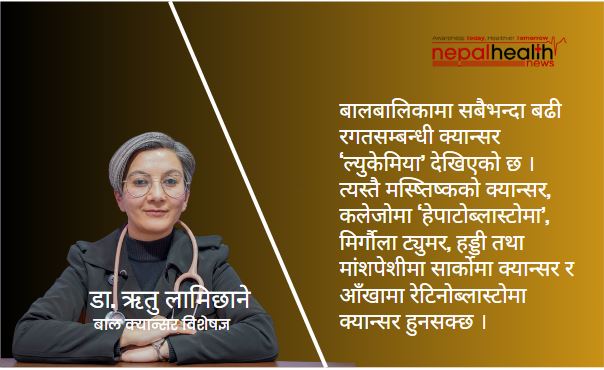
Cancer in children is becoming a growing concern worldwide. In Nepal, it is estimated that around 1,500 children are diagnosed with various types of cancer each year. However, only about one-third of these children have access to treatment annually. According to the World Health Organization, the cure rate for childhood cancer in developed countries like the United States, where there are better resources and access to treatment, is between 80 to 90 percent. In contrast, in low-income countries like Nepal, the cure rate is only about 30 percent. In this context, Public Health Concern Monthly spoke with Dr. Ritu Lamichhane, a pediatric cancer specialist at Bhaktapur Cancer Hospital, to discuss the various aspects of childhood cancer and its treatment methods.
Could you explain the challenges seen in the diagnosis of childhood cancer in Nepal?
Cancer is the uncontrolled growth of cells in any part of the human body. While many people are aware of cancers such as lung, cervical, and breast cancer in adults, very few realize that children can also get cancer. Pediatric cancer is somewhat different from cancers seen in adults. We treat children from newborns up to the age of 19. Some hospitals in Nepal only provide treatment for children up to 14 years old.
Annually, about 1,500 new childhood cancer cases are diagnosed in Nepal, although there is no exact government data available. Out of these, only about one-third of children receive treatment. Compared to adults, children with cancer respond better to treatment. If children can access treatment in the early stages, they can return to a normal life more quickly. In developed countries, due to better access to resources and treatment, the cure rate is 80 to 90 percent. In low- to middle-income countries like Nepal, the cure rate remains at only 30 percent.
The biggest challenge in Nepal is a lack of awareness. Parents rarely consult doctors about the possibility of cancer beyond common childhood illnesses. Due to geographical challenges, low literacy rates, and socio-economic factors, people often do not seek expert opinions on potential health complications.
What types of cancer are commonly seen in children?
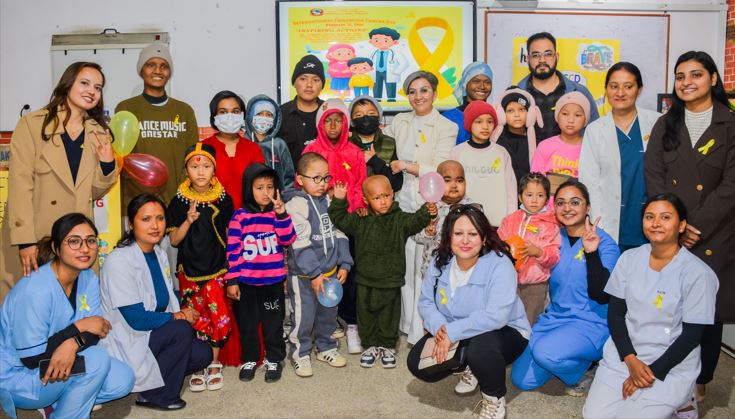
Children from birth to age 19 can experience various types of cancer. The most common is blood cancer, or leukemia, which can affect cells in every organ. Other types include brain cancer (brain tumors), liver cancer (hepatoblastoma), kidney cancer (Wilms’ tumor), sarcoma in bones and muscles, and eye cancer (retinoblastoma). Except for hair and nails, childhood cancer can occur in any part of the body. A major challenge is that its symptoms can overlap with general illnesses. Young children cannot express what they are feeling, so identifying symptoms is crucial for diagnosis.
What are the early signs that might indicate childhood cancer?
Symptoms such as prolonged fever, weight loss, anemia, unexplained bruises, small red spots, lumps in the neck or other body parts, or persistent headaches in the morning should prompt consultation with a doctor.
What causes cancer in children?
In adults, factors such as smoking, alcohol consumption, and poor diet can lead to cancers. These are established risk factors. However, in children, no such established risk factors have been identified. Genetic mutations are considered the primary cause. A strong family medical history may result in about 10 percent of childhood cancers being hereditary. Other than that, no definitive causes are known. We emphasize recognizing early symptoms mainly because we lack screening tests for children.
What age groups have you treated in your experience?
I have treated children of all age groups, including a three-month-old baby diagnosed with retinoblastoma. If the family history is strong, retinoblastoma can be detected at birth. However, sometimes it appears without any family history. All age groups are currently receiving treatment.
Which is the most common childhood cancer?
Blood cancer ranks first among childhood cancers. The most frequent types are B-cell lymphoblastic leukemia and acute myeloid leukemia. Many of the children undergoing treatment at Bhaktapur Cancer Hospital are being treated for these. Brain tumors, bone cancers such as osteosarcoma and Ewing sarcoma are also common. We also treat some rare cases.
Could you explain the common myths about childhood cancer?
In our society, cancer is often considered incurable and a very serious disease. Many parents question whether childhood cancer can even be treated in Nepal. Myths such as “childhood cancer is incurable,” “it leads to death,” “it cannot be treated in Nepal,” and “treatment is too expensive” are widespread. Parents often worry about affording treatment or whether their child will live a normal life after treatment.
However, childhood cancer is treatable. In fact, about 80 to 90 percent of blood cancers can be cured with chemotherapy. Although the treatment journey is difficult, we provide comprehensive and holistic care. We aim to help children return to normal life after treatment. Most cases in Nepal can be effectively treated. Chemotherapy has side effects, but many parents worry unnecessarily—for example, that their child's hair won’t grow back. They need proper counseling. We tell parents: you’re not alone in this journey—we are with you. Our goal is to discharge children only after completing the full course of treatment.
How many children survive after treatment?
The outcome and survival of any cancer patient depend on the type and stage of cancer at diagnosis. Most patients treated at the hospital return home cured. However, cancer treatment may affect multiple organs, and long-term side effects are possible. Hence, regular follow-ups are necessary to monitor the child's health.
Can cancer recur?
Even if a cancer is completely cured, it can recur at any time. This is beyond anyone's control. Our goal is to prevent recurrence as much as possible. From the early stages, we follow aggressive treatment using standard protocols and timelines to minimize the chance of recurrence. The likelihood of recurrence drops significantly five years after treatment. Therefore, we monitor children closely for at least five years after completing treatment.
How long does cancer treatment last?
Cancer treatment is not simple. The duration depends on the type of cancer. Some cancers may be cured in six months, others may take a year or two and a half years. On average, treatment takes about a year.
What facilities do children receive during treatment in hospitals?
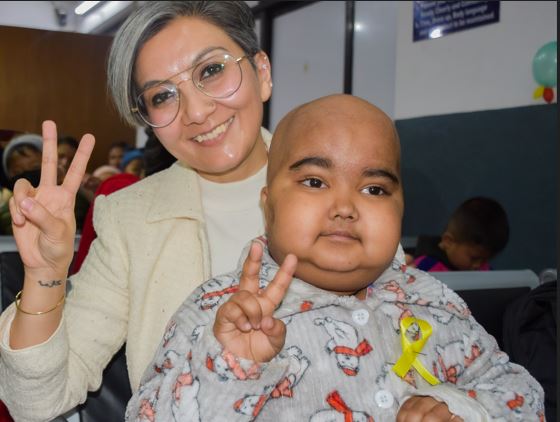
There are very few hospitals in Nepal that treat cancer. Patients from all over the country come to Bhaktapur Cancer Hospital. We advise families to stay within an hour's distance from the hospital so we can respond quickly to any chemotherapy side effects or emergencies. Many families leave behind jobs, homes, and farms to seek treatment. Financial problems are the number one issue. We are committed to providing accessible and quality treatment.
As per the government’s announcement, Bhaktapur Cancer Hospital now offers free treatment to children under 14 years of age. We provide ICU, general beds, laboratory services, chemotherapy, supportive medicines, radiotherapy, and surgical services free of cost. We also coordinate with various organizations to arrange food and accommodation for patients from remote areas, which helps reduce 50 to 60 percent of their financial burden.
What kind of support has been received from donor organizations?
Hospitals alone cannot handle everything. We collaborate with different organizations to support patients. The World Health Organization has committed to providing free chemotherapy for children under 19. Similarly, World Child Cancer provides financial aid and training. The Leo Foundation has rented homes near Kanti Children’s Hospital, Patan Hospital, and Bhaktapur Cancer Hospital to provide food and accommodation for 12 to 14 families. Warming Heart Nepal also provides assistance to cancer patients.
What should parents keep in mind after treatment?
We don’t just treat cancer—we consider a child’s overall growth and psychological development during treatment. After treatment, we advise parents not to be afraid but to remain vigilant. If the same symptoms reappear, they should bring the child to the hospital promptly. Parents should not think their child is different from others. Some children can even return to school during recovery. We encourage a community-based approach so they can integrate with society.
What role do diet and lifestyle play in cancer recovery?
Diet plays a very important role in improving health. Treatment can weaken immunity and lead to malnutrition. Malnutrition is already prevalent in our society. Nutritional rehabilitation can help strengthen immunity. After treatment, we encourage healthy eating habits. We advise avoiding “junk foods” like chocolate, noodles, spicy snacks, chewing gum, chips, and processed foods. Nutritious food like lentils, rice, and vegetables is recommended. Physical activity should also be encouraged. Ultimately, after treatment, the role of parents and family members is equally important in improving the child’s health.
(Dr. Lamichhane is a Consultant Pediatric Hematologist-Oncologist at Bhaktapur Cancer Hospital.)