



COVID-19 cases rising again in India, four new variants identified

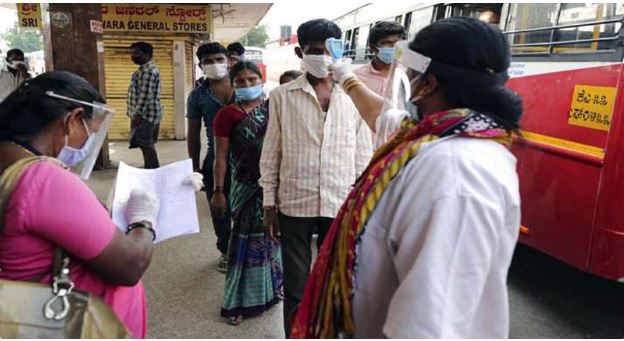
Nepal Health News: Recently, there has been a resurgence in active COVID-19 cases in India. According to Indian media reports, the number of active cases had reached 1,081 as of Tuesday.
Number of Infected by State
New cases have been reported in various states: 36 in Karnataka, 17 in Gujarat, 6 in Bihar, and 3 in Haryana. Kerala currently has the highest number of active cases, with 430. Meanwhile, 13 patients in Gujarat have fully recovered.
COVID-19 Death Toll Reaches 12
A 78-year-old man died during treatment in Firozabad, Uttar Pradesh, marking the first death in the state from this new variant. An additional 11 deaths have been reported in Maharashtra, Rajasthan, West Bengal, Karnataka, and Madhya Pradesh, bringing the total death toll to 12.
Identification of Four New Variants
According to Dr. Rajiv Bahl, Director of the Indian Council of Medical Research (ICMR), four new COVID-19 variants have been identified in India: LF.7, XFG, JN.1, and NB.1.8.1. Some of these variants were detected through genome sequencing of samples collected from southern and western India.
Dr. Bahl stated that while the current situation is not severe, caution is necessary. The World Health Organization (WHO) has placed these variants under the category of "variants under monitoring," but they are not yet considered variants of concern.
JN.1 – Currently the Most Prevalent Variant
JN.1 has been found in more than half of the samples tested. It is followed by BA.2 (26%) and other Omicron subvariants (20%). JN.1 is a subvariant of Omicron’s BA.2.86 strain, first detected in August 2023 and declared a "variant of interest" by WHO in December 2023.
This variant has around 30 mutations, which may weaken the immune system. According to Johns Hopkins University, although it spreads quickly, it does not appear to cause severe illness.
NB.1.8.1 Variant Also Spreading
The NB.1.8.1 variant contains special spike protein mutations that make it more transmissible. It may also evade immunity from previous infections or vaccinations more easily.
Experts say the symptoms of JN.1 can last from several days to weeks. In some cases, it may lead to long COVID, where symptoms persist even after the patient has recovered.