



Call to expose the cunning of the cigarette industry
Public appeal to be vigilant against the deceptive practices of the tobacco industry

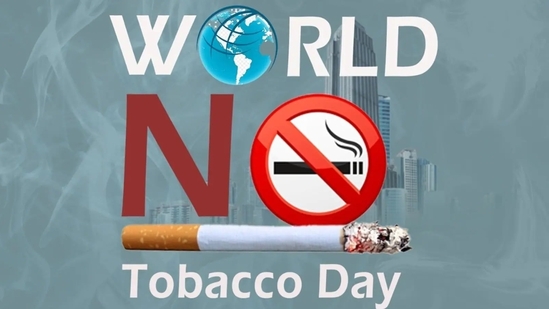
Nepal Health News, Kathmandu. Today is World No Tobacco Day. On this occasion, the World Health Organization (WHO) South-East Asia Regional Office has issued a public appeal to be vigilant against the deceptive practices of the tobacco industry. The WHO has made this appeal on the occasion of World No Tobacco Day, which is celebrated on May 31 every year. This year's slogan, "Uncover the seductive cover," urges us to expose the attractive but deadly strategies adopted by the tobacco industry, especially targeting youth and women.
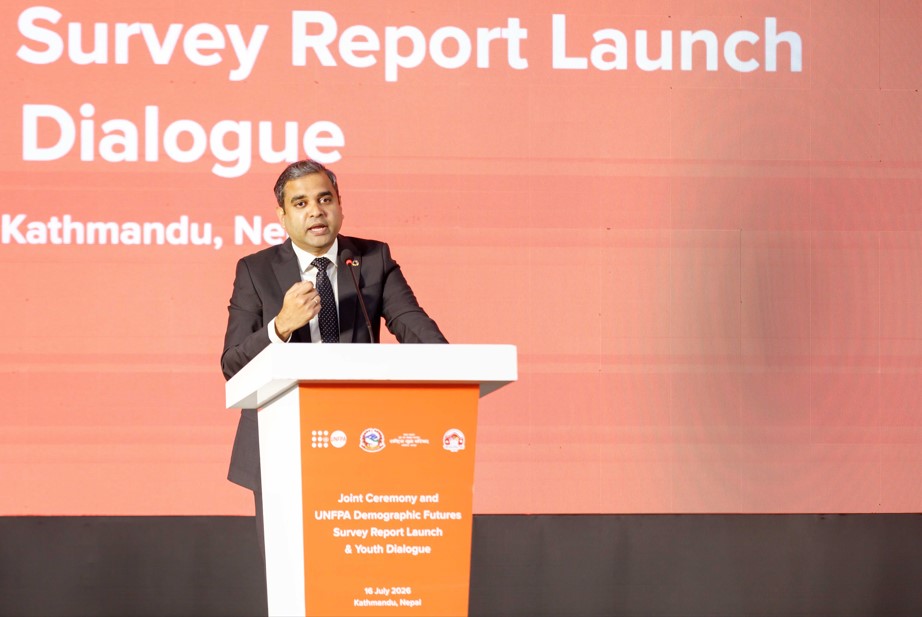
"Smoking remains the leading preventable cause of death in the world. It is also a major risk factor for heart disease, cancer, diabetes, and chronic respiratory diseases. South-East Asia currently has an estimated 411 million adult smokers. About a third of the world's smokers live in the region. This makes the region the epicenter of the global tobacco epidemic," said Saima Wazed, WHO Regional Director for South-East Asia.
The most worrying aspect is the high use of smokeless tobacco. He added, "The most worrying is the rate of smokeless tobacco use. 77 percent (288 million) of such users worldwide are in this region."
Despite progress, challenges remain
. Another positive message is the significant decline in cigarette use between 2000 and 2022. The prevalence of cigarette use among men has fallen from 68.9 percent to 43.7 percent, while among women it has fallen from 33.5 percent to 9.4 percent. This means that the WHO has a strong chance of ending the burden of noncommunicable diseases by reducing cigarette use by 30 percent by 2025 compared to 2010. According to the regional director, Wazed, this reduction is projected to reach 34 percent, which is a very rare and inspiring achievement.
"But we should not be complacent because the tobacco industry is back in a new form," he added.
New challenge: Electronic cigarettes and flavoured products
According to Sayama Wazed, the tobacco industry is now targeting teenagers by promoting products such as electronic cigarettes and nicotine pouches as safer alternatives. According to regional statistics, 11 million children aged 13 to 15 in South-East Asia have recently become addicted to cigarettes.
“The industry is adopting strategies to attract a new generation by using attractive packaging, celebrity endorsements on social media and false health claims,” he said.
Urging countries to take strong action
In this context, WHO has urged its member states to take various steps. These include fully implementing the Framework Convention on Tobacco Control standards, banning new cigarettes and nicotine products, expanding smoking cessation services, protecting health systems from policy interference by the tobacco industry, controlling indirect advertising and false promotion of smokeless cigarettes and betel nuts, and conducting youth-led public awareness campaigns, school health programs, and peer-to-peer education programs.
In addition, WHO has also urged countries to invest in data collection, strengthen research, and strengthen legal enforcement to counter the evolving strategies of the tobacco industry.
Cigarettes: Not only health, but also an enemy of society and economy.
The WHO has reminded us that cigarettes have a serious impact not only on human health, but also on society, economy and environment. Cigarettes increase poverty. They create a burden on health systems and exacerbate social inequalities. Therefore, we must all work together to uncover the seductive cover of cigarettes in all their forms. Their true nature is disease, death and despair. Let us all work together to create a future where our children can live healthy and prosperous lives free from the shadow of cigarettes.