



National statistics on brain tumors released for the first time in Nepal
World Brain Tumor Day 2025 is being observed with the slogan ‘Brain Health for All Ages

Nepal Health News, Kathmandu – Today, June 8, is being observed as World Brain Tumor Day 2025 with the theme “Brain Health for All Ages.” This year’s observance aligns with the World Health Organization's (WHO) approach to promoting early detection of brain tumors and overall neurological health.
On this occasion, Nepal has publicly released national-level statistics on brain tumors for the first time—a historic step that marks the beginning of a new era in neurological research and health policy development in the country.
“A Proud and Transformative Milestone”
While releasing the data, Prof. Dr. Rajiv Jha, Founding Chairperson of the National Brain Tumor Center and Head of the Neurosurgery Department at Bir Hospital under the National Academy of Medical Sciences (NAMS), described the achievement as a “proud and transformative milestone.”
Data from 1,739 Patients
Based on data collected from over 20 neurosurgical centers across Nepal, it is estimated that 2,500 to 2,600 new cases of brain tumors are diagnosed annually. The incidence rate is found to be 11.4 to 11.8 per 100,000 population.
Prof. Jha stated,
“This is the first time such comprehensive data has been collected in Nepal. It will help our healthcare system move toward evidence-based policymaking and long-term planning.”
Age, Symptoms, and Regional Distribution
The study found equal risk among males and females. The average age of patients is 46.32 years, with the highest number of cases in the 40–50 age group, indicating a tendency for tumors to occur at a comparatively younger age.
The symptoms reported include:
-
58% with headaches
-
36% with vomiting
-
Others with symptoms like unconsciousness, paralysis, and vertigo.
Geographically, Bagmati and Madhesh provinces reported the highest number of brain tumor cases.
Major Tumor Types
Among various types of brain tumors:
-
Gliomas accounted for 39% of cases.
-
Of these, 56% were high-grade gliomas, which require surgery, radiation therapy, and chemotherapy. However, treatment outcomes for these are often poor, according to Prof. Jha.
-
-
Meningiomas were found in 21% of patients.
-
Pituitary tumors in 8%.
Treatment Improving with Time
Thanks to advances in neuroscience and technology, brain tumor treatment in Nepal is steadily improving. This progress is credited to:
-
Increased availability of neurospecialists
-
Expansion of neurosurgical centers
-
Adoption of modern technologies
Prof. Jha added,
“We are hopeful about the potential for non-surgical treatment technologies in the near future.”
Contribution to Research, Awareness, and Policy
This first-ever national dataset is expected to drive new research, raise public awareness, and influence policy decisions. The 2025 observance of Brain Tumor Day with the theme of brain health for all age groups is seen as a milestone toward advancing Nepal’s neurological healthcare and research in the long term.
Bir Hospital: At the Forefront of Treatment
Minister for Health and Population, Pradeep Paudel, emphasized that Brain Tumor Day should not be a celebration, but a day of awareness.
“This is not a festival, but a wake-up call. It’s a day to commit to prevention,” he said.
“Getting diagnosed with a brain tumor is not the end—institutions like Bir Hospital are leading treatment efforts.”
He also highlighted Bir Hospital's key role in producing skilled medical professionals through NAMS.
Similarly, NAMS Vice-Chancellor Prof. Dr. Bhupendra Basnet noted that Bir Hospital played a pioneering role in the history of neurosurgery in Nepal.
“In the past, there were only one or two surgeries a week. Now, four to five are performed regularly.”
Timely Surgery is Crucial
With the expansion of the Neurosurgery Department at Bir Hospital, not only has the number of surgeries increased, but their quality has improved.
Dr. Basnet said,
“If we can manage surgeries six days a week, we can significantly reduce patient wait times. That would allow for earlier tumor removal, easing both mental stress and financial burden.”
Challenges in the Health System
Despite the availability of treatment, significant challenges remain:
-
Many patients mistake early symptoms for simple headaches or fatigue.
-
Advanced imaging tests (like MRI and CT scans) are expensive, leading to late diagnosis.
-
Due to high treatment costs, public hospitals remain the only hope for the middle and lower-income groups.
Need for Public Awareness
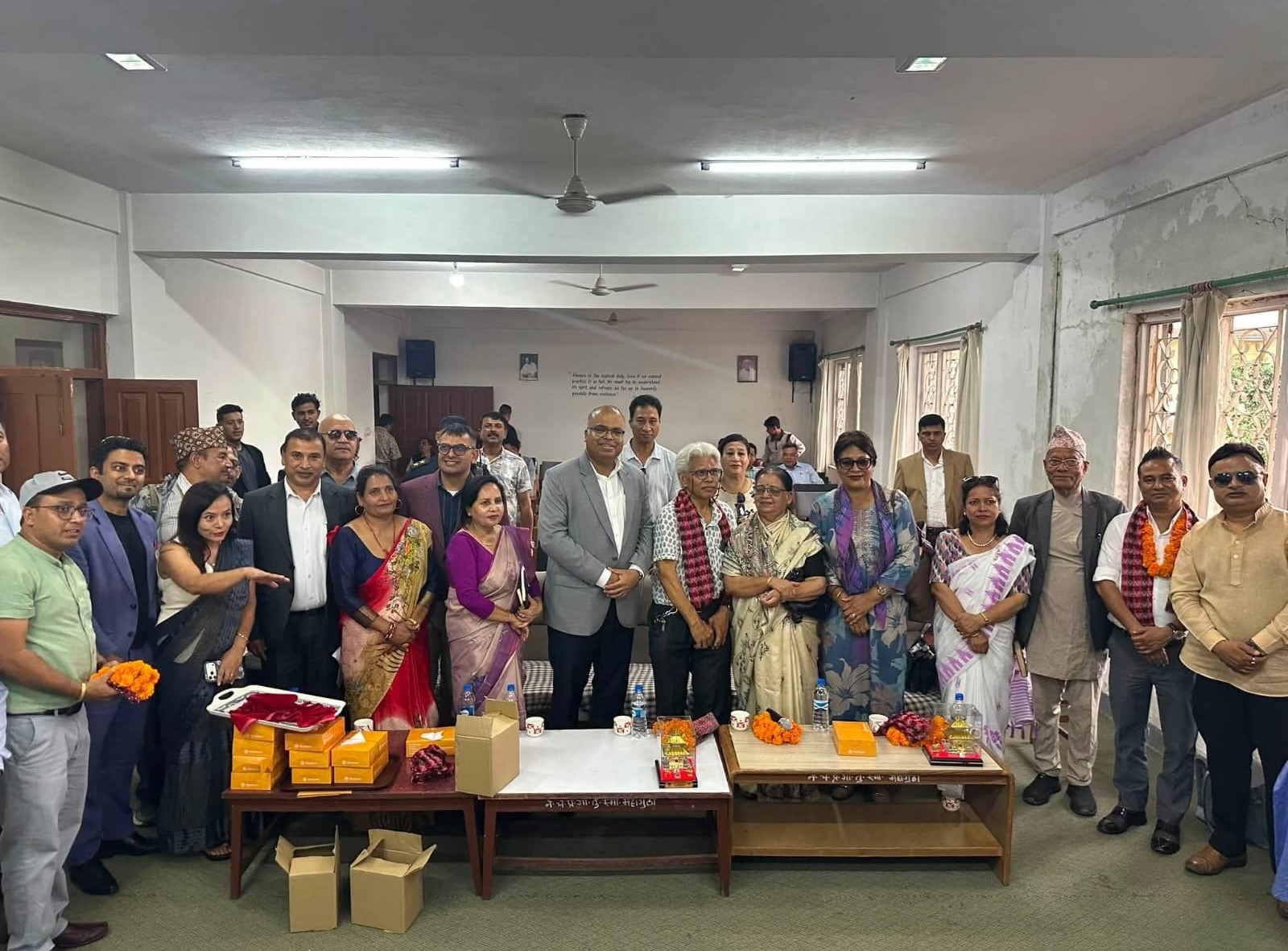
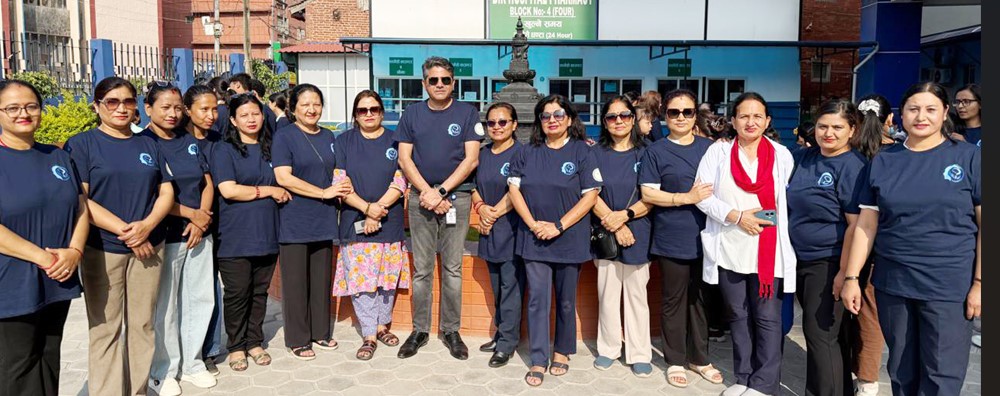
On the occasion of Brain Tumor Day, an awareness rally was organized, followed by a special program with participation from medical experts and government officials. All stressed that raising awareness is the most critical task.
Dr. Rajiv Jha noted,
“The fact that gliomas are the most common is itself an alert. Such tumors can be treated if detected early, but delays make the condition more complex.”
Conclusion: Balance Between Awareness and Treatment
Brain tumors don’t develop overnight—they grow silently inside the brain. That’s why understanding early symptoms, consulting doctors, and utilizing public health facilities are vital.
Brain Tumor Day is not a celebration—it’s a warning. A reminder that we all share the responsibility to detect hidden threats in the brain, especially in our forties, and act before it’s too late.