



Stricter Health Checks for Nepali Workers Seeking Foreign Employment: Here Are the New Guidelines

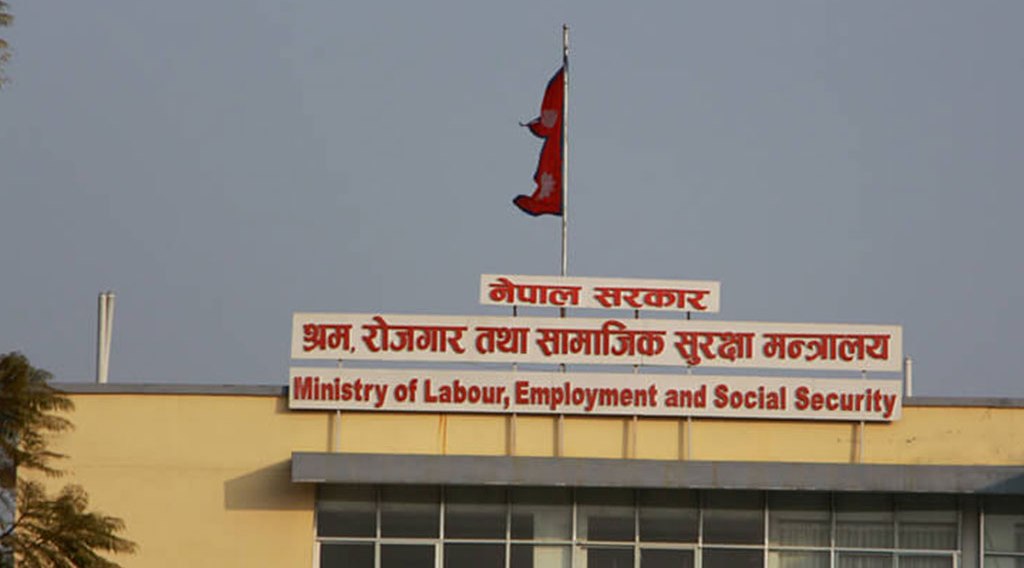
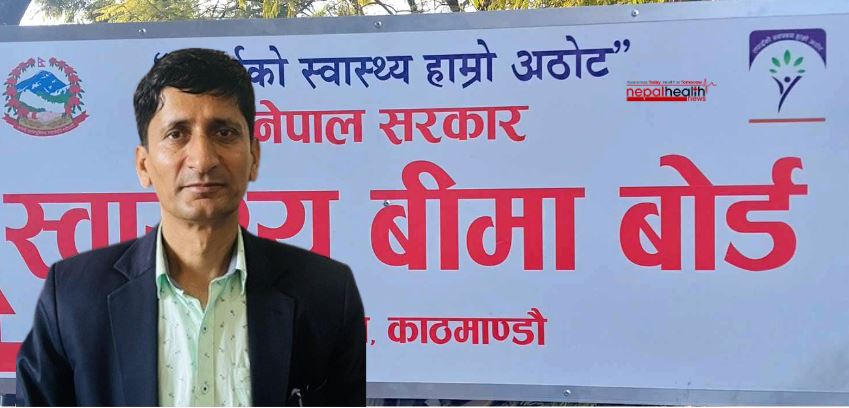
Nepal Health News, Kathmandu – Health screenings for Nepali workers going abroad for foreign employment will now be conducted more strictly and systematically. The Ministry of Labour, Employment and Social Security has implemented a new procedure to make the health examination process more transparent and reliable.
According to the new guidelines, a detailed health examination will now be mandatory for workers. This process includes tests for blood, tuberculosis, kidney function, hepatitis B and C, malaria, diabetes, typhoid, among others. Specifically for workers going to Malaysia, drug tests (for substances like marijuana, opium, cocaine, etc.) have been made compulsory.
Each health institution must now operate according to specific standards, which include having qualified personnel, necessary equipment, an information system, and mandatory quality assurance. The government has also set a fixed fee for these tests, and no more than this amount can be charged.
The ministry will now be the sole authority to grant approval to health screening institutions. Only after lab testing and verification of the 215 listed institutions will they be granted permission.
According to Minister Sharatsingh Bhandari, the health system is being improved to prevent unnecessary deaths of workers abroad, often referred to as “death tabs.” In the past 14 years, around 15,000 Nepali workers have died overseas, with the majority due to heart attacks, workplace accidents, and other unclear reasons.
A 30-member expert group has categorized workers' health issues into eight groups and provided recommendations for solutions. These include mental health, infectious diseases, physical health, sexual health, and non-communicable diseases. Based on this, the scope of the health screening has been expanded.