



From Shrawan, Arogya Centers to be Expanded to All 753 Local Levels

Nepal Health News, Kathmandu – Starting from the month of Shrawan, Arogya Centers (Wellness Centers) will be operated across all 753 local levels in Nepal. With the addition of 144 new centers to the existing ones, the government plans to expand the service to every municipality. These centers aim to promote a healthy lifestyle among citizens through Ayurvedic knowledge, facilitated by trained practitioners known as Kavirajs or Vaidyas. While some municipalities have already implemented this program, the Department of Ayurveda is now preparing to extend its reach nationwide.
The Arogya Centers will conduct various awareness programs to encourage healthy living. These initiatives will include improvements in kitchen practices, yoga sessions, meditation, physical exercise, support for elderly health, education on the use of medicinal herbs, and training on Ayurvedic dietary and lifestyle habits.
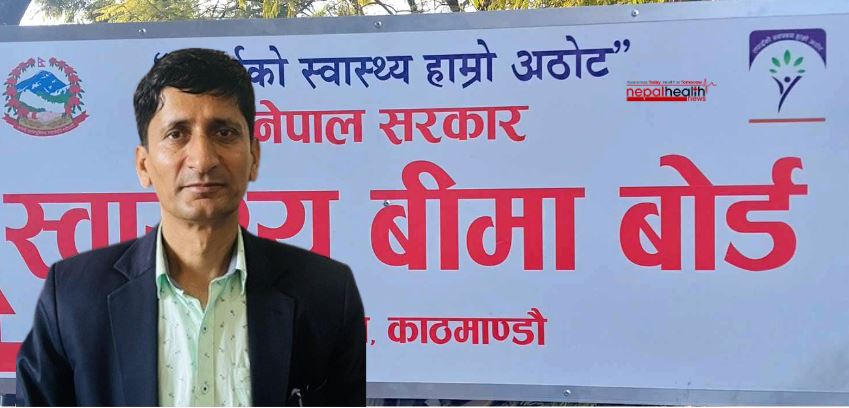
According to Dr. Shyam Babu Yadav, the Director General of the Department of Ayurveda, the centers have been established with the goal of preventing diseases by promoting proactive health measures. He explained that behaviors such as sleeping on time, waking up early, and maintaining personal hygiene will be taught through the guidance of Kavirajs.
Dr. Yadav also stated that the centers are already having a visible impact. For example, at the Nepamala Center, 30 participants who took part in yoga and meditation sessions have shown signs of positive lifestyle changes. He referred to a health camp organized in the month of Falgun, where participants experienced better control over conditions like high blood pressure and diabetes. He attributed this improvement to regular physical activity, timely sleeping habits, and nutritious diets.
Furthermore, Dr. Yadav highlighted that the use of locally available medicinal herbs has increased due to the efforts of the Arogya Centers, which has also led to a decrease in unnecessary use of pharmaceutical drugs. According to him, this shift represents a meaningful improvement in public health practices.