



Doctors returned to duty, protest ended, services resumed after agreement with the government

Nepal Health News, Kathmandu —Doctors who had halted all medical services except for emergency care for two days have returned to duty following an agreement with the government. The protest was sparked after the Consumer Court recently ordered three hospitals and several doctors to pay compensation for alleged medical negligence, which infuriated the medical community.
Three-Point Agreement and Task Force Formation
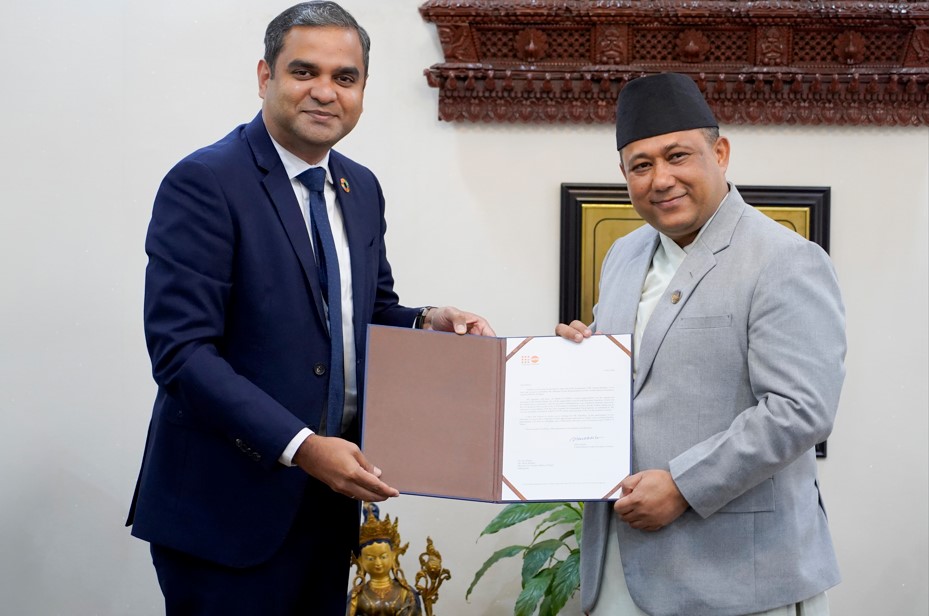
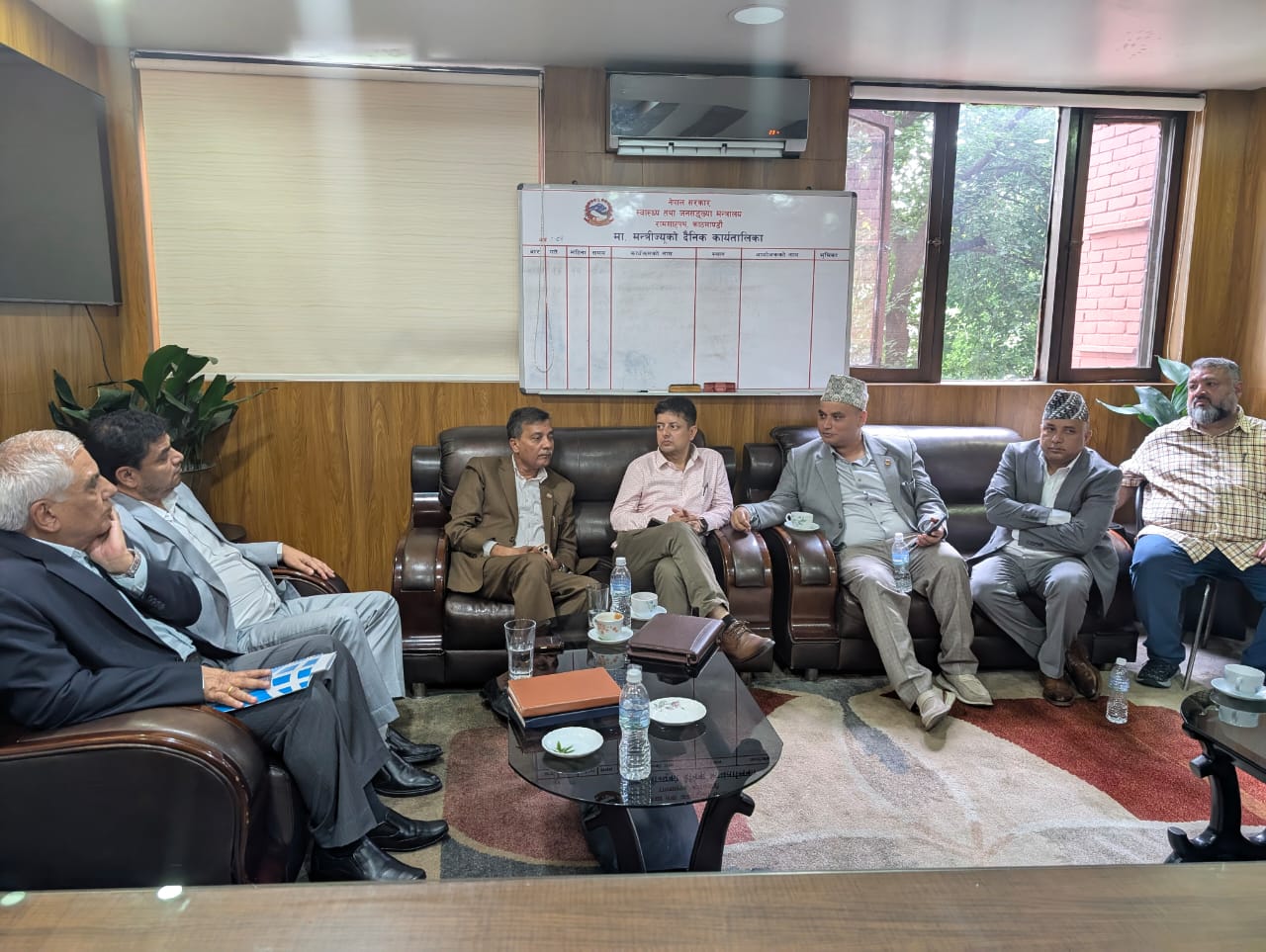
An agreement was reached on Tuesday evening at the Ministry of Health between Health and Population Minister Pradeep Paudel, Law Minister Ajay Kumar Chaurasiya, Supplies Minister Damodar Bhandari, and the Nepal Medical Association. According to the agreement, a task force has been formed to submit a report with recommendations within seven days to amend legal and policy provisions, including the Consumer Protection Act.
The task force will be led by the head of the Consumer Protection Division of the Ministry of Industry. Members will include joint-secretary-level representatives from the Ministry of Law and the Ministry of Health. Based on the task force's report, the Cabinet will move forward with the legal amendment process within 11 days after receiving in-principle approval.
Protest Ends, But Debate Continues
Dr. Sanjiv Tiwari, General Secretary of the Nepal Medical Association, said:
"We are in a sensitive profession. We have always been and will remain committed to patients. But this protest became necessary because we were treated like criminals."
He added that the doctors were forced to protest after being unfairly targeted.
However, Bishnu Prasad Timilsina, General Secretary of the Consumer Welfare Forum and a senior advocate, called the protest a blatant violation of the law.
"Strikes are not allowed in essential services. The Criminal Code prohibits strikes in such sectors," he said. "They could have appealed the verdicts in higher courts. Shutting down services through protest is illegal."
Why Were Doctors Outraged?
On June 12, the Consumer Court ordered Om Hospital and two doctors to pay a compensation of Rs. 5.681 million for medical negligence.
On June 19, Grande City Hospital and a doctor were ordered to pay Rs. 5.719 million.
On June 26, Himal Hospital was ordered to pay Rs. 14.544 million.
All three verdicts cited "medical negligence." According to doctors, such judgments infringe upon the jurisdiction of the Nepal Medical Council.
Impact of the Protest: Patients Stranded
With all services except emergency and ICU shut down, ordinary people across the country suffered.
Janakpur:
Thousands visit Janakpur Provincial Hospital daily. Due to the protest, outpatient services were closed, forcing patients to return without treatment.
Dr. Ram Naresh Pandit, Rector of the Madhesh Institute of Health Sciences, said:
"How much does a doctor earn? Making them pay millions in compensation is criminalization of the profession."
Pokhara:
At Pokhara Academy of Health Sciences — Gandaki Province’s largest hospital — around 1,500 patients come daily.
Information Officer Sushil Aryal said regular check-ups were disrupted due to the protest.
Hetauda:
Around 1,500 patients visit Hetauda’s government hospital daily.
With services shut except emergency care, many from rural areas had to return untreated.
Far-Western Region:
Outpatient services at Seti Provincial Hospital, Mahakali Hospital, and Tikapur Hospital were shut for two days.
Suresh Chaudhary from Janaki Rural Municipality said, "I came with an orthopedic issue, but couldn’t get treated due to the closure."
Karnali:
Doctors at Karnali Province Hospital and the Karnali Academy of Health Sciences also joined the protest.
Dr. Bikash KC said they were protesting the Consumer Court’s interference in the Medical Council’s jurisdiction.
Legal Debate Continues
According to Senior Advocate Timilsina, Article 44 of the Constitution and Clause 51 of the Consumer Act grant consumers the fundamental right to compensation.
"If one disagrees with a court verdict, appeals are allowed. But you cannot shut down essential services," he said. He added that this action could even be considered a form of “organized crime” under certain interpretations.
Looking Ahead: Policy-Level Responsibility
Although the protest has ended following the agreement, the debate over who is accountable for medical negligence has now entered the policy and legal domain.
To maintain a balance between the rights of patients and the responsibilities of the medical profession, informed and forward-thinking decisions are now crucial.