



Finance Ministry halts GMP audit of foreign pharmaceutical companies

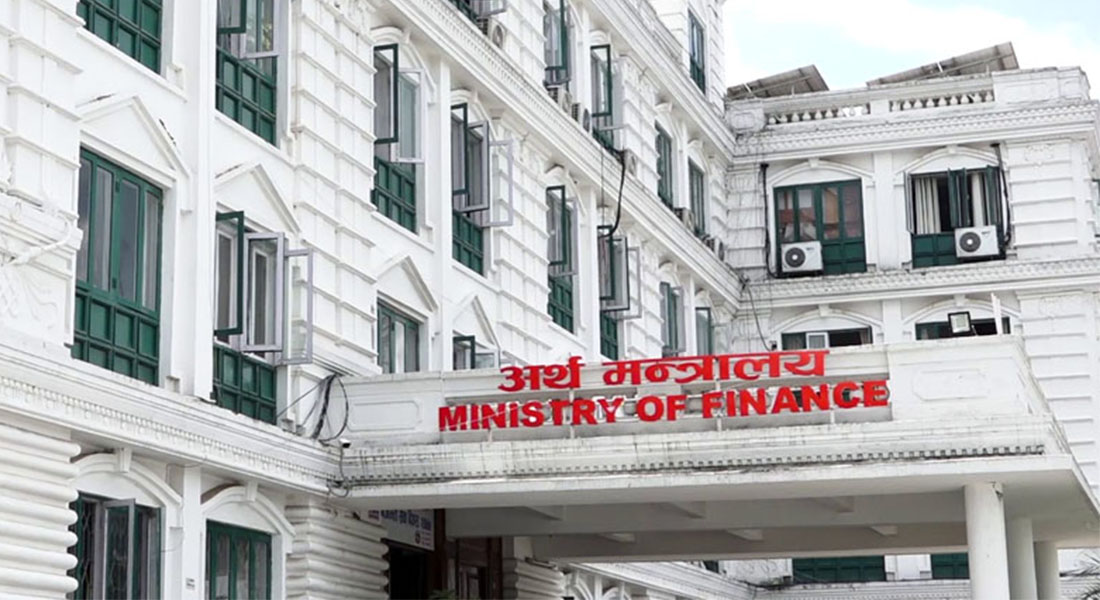
Nepal Health News, Kathmandu — The GMP (Good Manufacturing Practice) audit process, conducted before allowing foreign pharmaceutical companies to enter Nepal's medicine market, has now become highly controversial. Just as the process initiated by the Ministry of Health was reaching its final stage, the Ministry of Finance intervened and clearly halted it.
What initially appeared to be a routine regulatory measure has now revealed deeper issues. The 'quality inspection' or GMP audit—conducted prior to granting foreign pharmaceutical companies permission to sell medicines in Nepal—has become the center of serious allegations and complaints.
Due to a lack of transparency in the process, allegations of influence by powerful individuals, and suspicions of financial irregularities, nearly a dozen complaints have been registered with the Commission for the Investigation of Abuse of Authority (CIAA). Reports indicate that some top officials from the Ministry of Health, including Health Secretary Dr. Vikas Devkota and Director General of the Department of Drug Administration Narayan Dhakal, have been named in these complaints.
Despite these serious complaints, the Ministry of Health showed no sign of halting the process. On the contrary, it appeared determined to push it forward until the final moment. However, once the Ministry of Finance understood the depth of the issue, it stepped in and halted the process.
A source linked to the Finance Ministry stated clearly: “We had received numerous complaints. There was strong evidence suggesting a lack of transparency in the process, so we deemed it appropriate to stop it immediately.”
But the story doesn’t end there. There are ongoing rumors that some officials are still trying to backdate documents in order to move the process forward before the suspension took effect. However, according to the Finance Ministry, the chances of that happening are now nearly eliminated.
This incident has revealed how sensitive and complex the regulatory system in the pharmaceutical sector is. Medicines are not just a commercial product; they are the backbone of public health. In such a sensitive area, policymakers must act with greater responsibility and transparency when making policy decisions.