



Legal recognition of occupational diseases by the government

Nepal Health News, Kathmandu – For the first time, the government has formally granted legal recognition to diseases contracted in the course of occupational duties as “occupational diseases.” The Ministry of Labour, Employment and Social Security has made a historic decision by publishing a detailed list of such diseases in the Nepal Gazette under the Labour Regulations, 2075 (2018 AD).
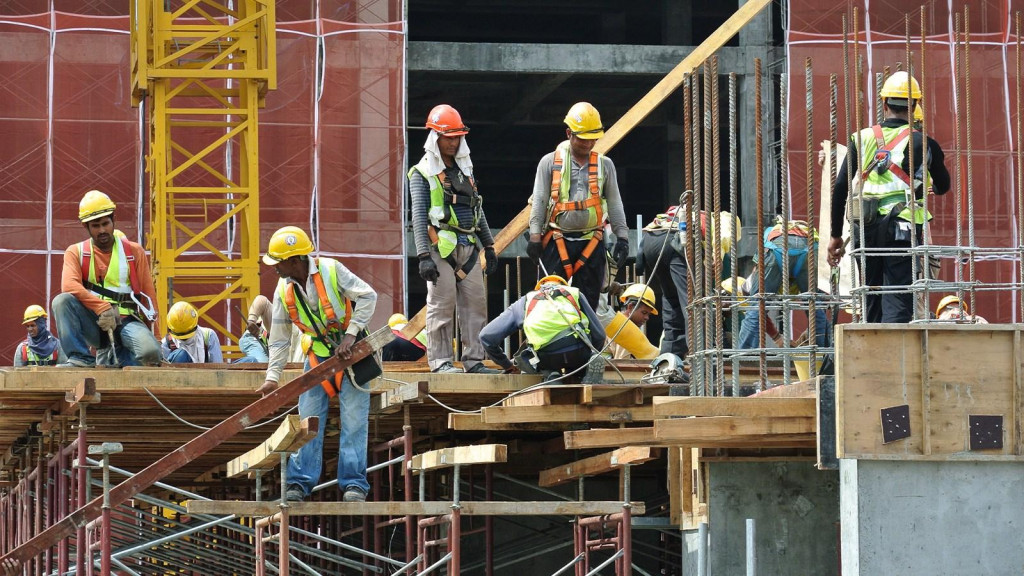
Through this initiative, health problems arising from exposure to dust, chemicals, noise, or the nature of work at the workplace will no longer be considered personal issues but legal concerns. This move is expected to enhance health protection for millions of workers and impose greater responsibility on employers to ensure a safe working environment.
The government has classified the listed occupational diseases into eight categories in the gazette. These include chemical, physical, biological, respiratory, skin and musculoskeletal, mental and behavioral, and cancer-related diseases.
1. Diseases caused by chemical exposure
This includes illnesses resulting from contact with chromium, lead, mercury, benzene, sulfur oxides, chlorine, industrial gases, and other harmful substances.
2. Diseases caused by physical factors
These are conditions such as hearing loss or other physical issues due to extreme heat, noise, or radiation.
3. Infectious biological diseases
Diseases like Hepatitis B and C, HIV, tetanus, tuberculosis, brucellosis, anthrax, and leptospirosis, transmitted through animals or workplace equipment, fall under this category.
4. Respiratory diseases
Chronic conditions like bagassosis, siderosis, pneumoconiosis, and Chronic Obstructive Pulmonary Disease (COPD) are included here.
5. Skin and musculoskeletal disorders
This includes dermatitis, allergies, tenosynovitis, carpal tunnel syndrome, and similar conditions.
6. Mental and behavioral disorders
Mental health conditions such as post-traumatic stress disorder (PTSD), caused by accidents or violent incidents at work, are included.
7. Occupational cancers
Risks of cancers due to exposure to asbestos, coal tar, benzene, radiation, wood dust, arsenic, cadmium, and other harmful chemicals are covered under this category.
According to Chapter 12 of the Labour Act, 2074 (2017 AD), if a worker contracts an occupational disease, the concerned establishment is required to bear the treatment cost, or if treatment is not possible, provide compensation as prescribed.
These are the diseases listed by the government in the official gazette.