



The government's decision risks lowering the standard of medical education
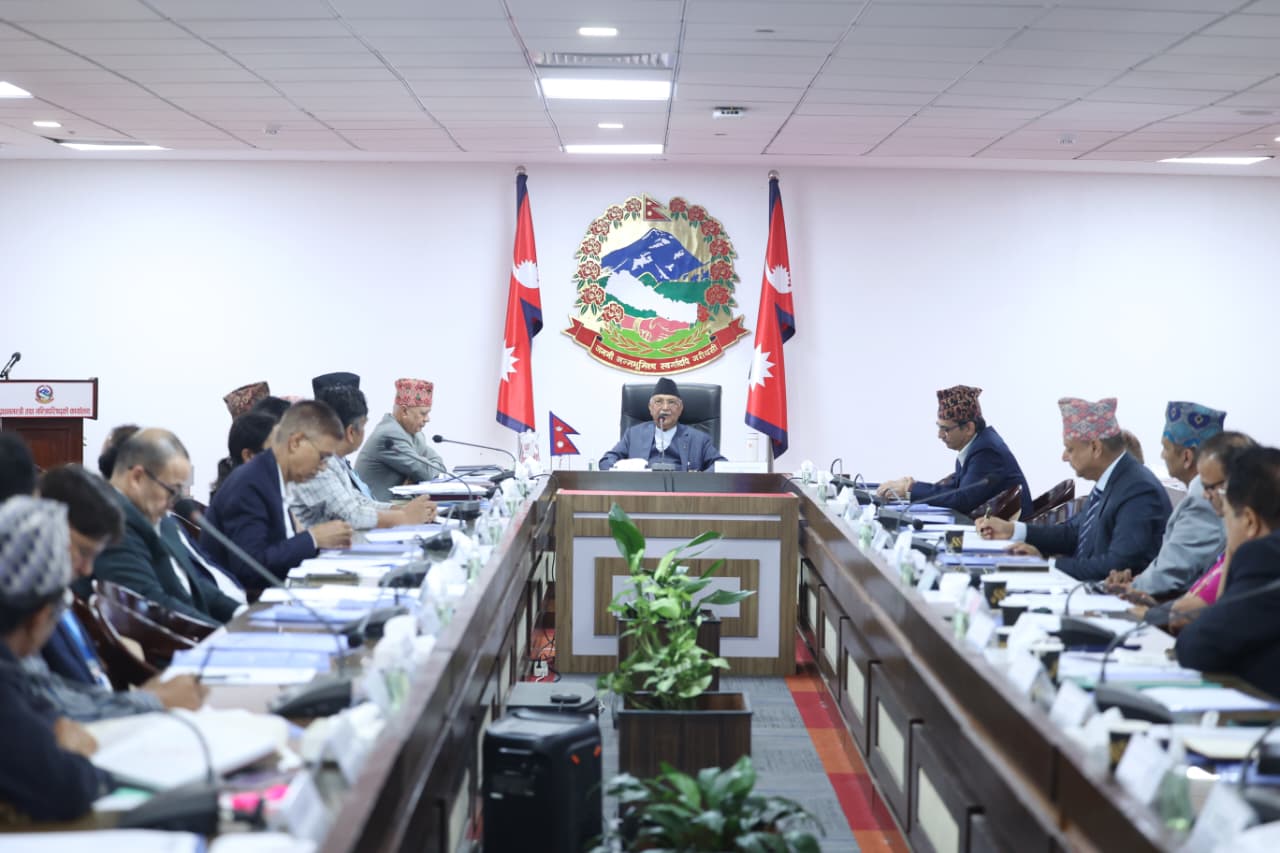
Nepal Health News, Kathmandu – Controversy has escalated in the medical education sector following the government’s decision to allow private medical colleges to increase the number of MBBS and BDS seats. After the 21st meeting of the Medical Education Commission decided to add 30 seats for MBBS and 10 for BDS, experts have warned that this could negatively impact the quality of education.
The decision, led by Prime Minister and Commission Chairperson KP Sharma Oli, has been widely criticized as being made under pressure from private medical college operators. According to sources, private colleges have been lobbying for several years to increase seat capacity. While government medical colleges have not been allowed to increase seats due to infrastructure limitations, many private colleges have been permitted up to 130 seats.
Experts express concern that most private medical colleges lack adequate infrastructure, qualified faculty, and sufficient patient flow—making it difficult to ensure quality education.
This is one of the reasons why many students are failing the licensing examination conducted by the Nepal Medical Council. Experts also note that students are often found lacking in basic clinical skills, such as performing CPR or administering injections.
With this decision to increase seat numbers, the government has opened the doors for private colleges to earn billions. Private medical colleges, which charge an average of NPR 4.5 million per student, are estimated to make an additional NPR 130 million annually from the increased seats.
Dr. Govinda KC, a prominent activist in the medical education reform movement, has also urged the government not to increase seat numbers or fees and has issued a warning. He stated, “Such decisions by the government will increase the risk of producing low-quality doctors in the future.”
The deal-like nature of the decision between the government and the private sector signals a decline in transparency and credibility in the medical education sector.

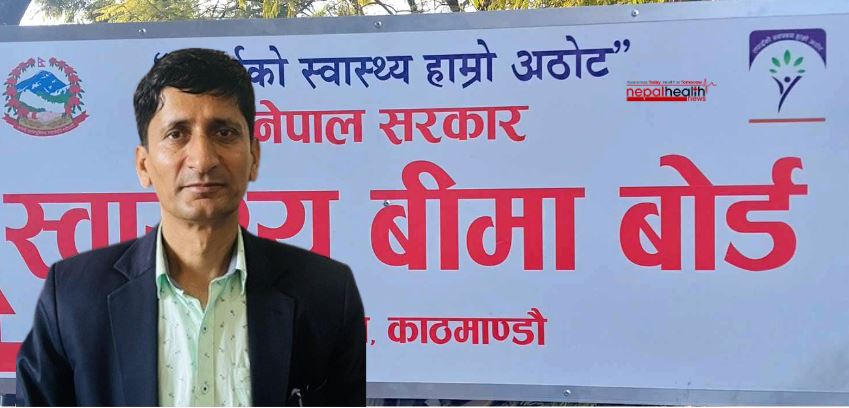
Health Insurance Board Director Kafle has submitted his resignation
January 18, 2026