



Autoimmune Diseases and Biologics in Pregnancy: Challenges and New Possibilities


Nepal Health News, Kathmandu – Pregnancy is a sensitive and life-defining phase. The physical and hormonal changes that occur during this time have a significant impact on a woman’s immune system. For women with autoimmune diseases, pregnancy can become even more complicated.
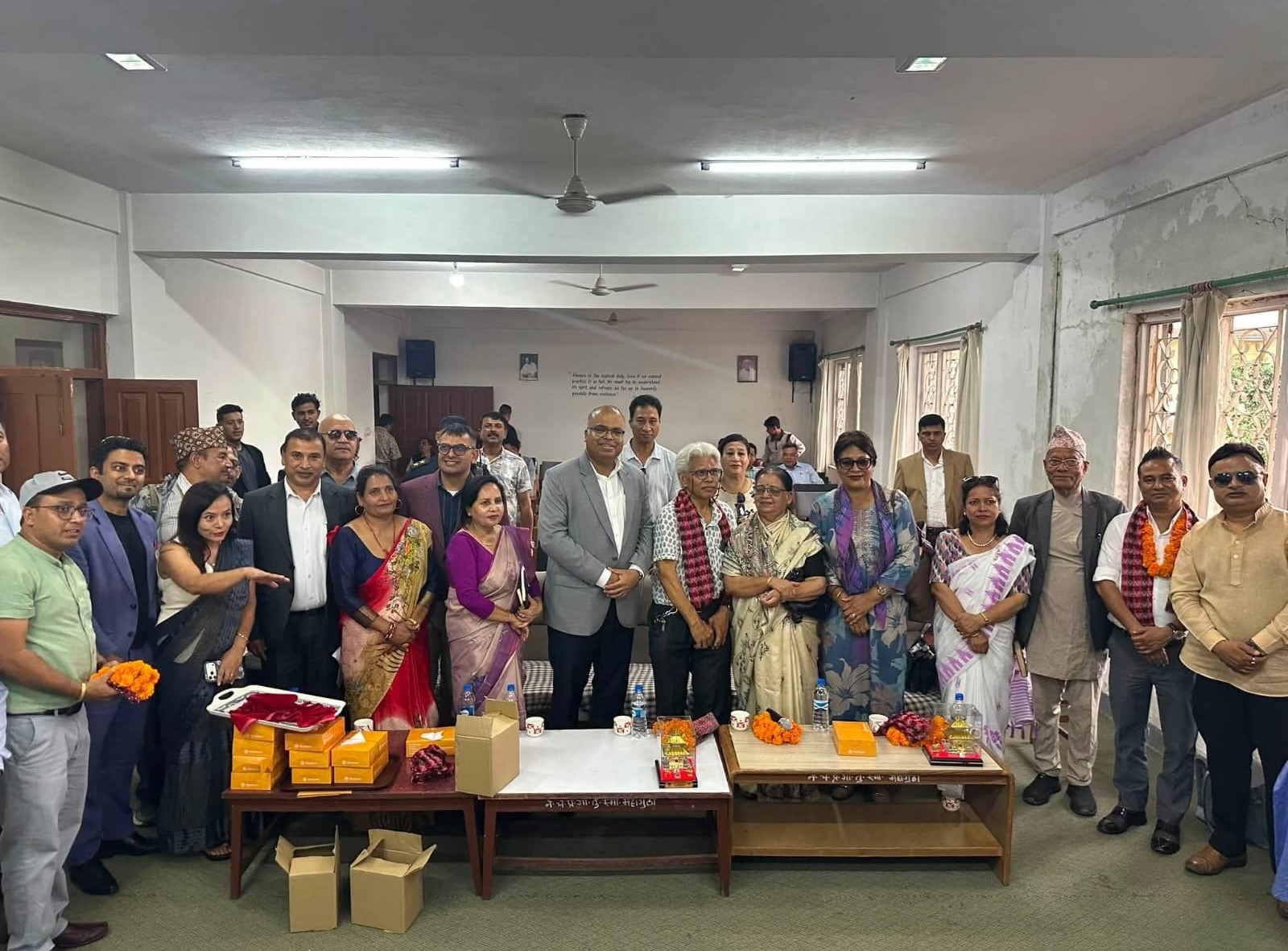
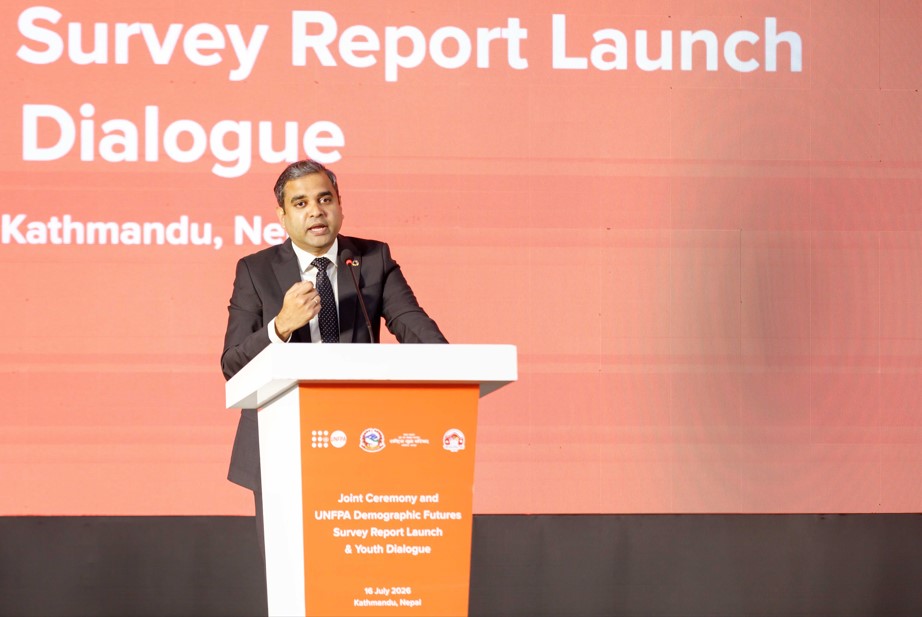
Addressing this important topic, the National Centre for Rheumatic Diseases (NCRD) recently organized a scientific seminar titled "Rheuma Fusion Obstetric Chapter" at Hotel Hilton, Kathmandu. During the event, rheumatology specialists Dr. Swikriti Shrestha and Dr. Sudheer Karmaacharya delivered expert presentations on “Autoimmune Diseases and the Use of Biologics in Pregnancy.” There was also an interactive panel discussion on complex cases such as lupus and antiphospholipid syndrome.
Autoimmune diseases and pregnancy: What does international research say?
Autoimmune diseases occur when the body’s immune system mistakenly attacks its own tissues or organs. Conditions under this category include lupus, rheumatoid arthritis, multiple sclerosis, and systemic scleroderma.
According to the American College of Rheumatology (ACR) 2022 guidelines, women with autoimmune diseases have a higher risk of complications such as miscarriage, preeclampsia, and preterm birth compared to healthy women. Discontinuing medications during pregnancy can lead to disease flares, posing risks to both mother and baby. Therefore, continuing treatment with safe medications is essential.
A 2023 study published in the British Medical Journal (BMJ) showed that 35% of women with lupus experience severe complications during pregnancy.
In women with antiphospholipid syndrome, the risk of developing blood clots is five times higher, negatively impacting pregnancy outcomes.
Biologics: A new generation of hope
Conventional medications (such as methotrexate and cyclophosphamide) are not recommended during pregnancy because they can harm the fetus. However, in the past decade, biologics (biologic therapies) have emerged as a new hope in managing autoimmune diseases.
TNF inhibitors: Early studies suggest that these drugs are relatively safe during pregnancy, although caution is still needed, especially in the third trimester.
Rituximab and other monoclonal antibodies: These are typically recommended only before pregnancy.
According to The Lancet Rheumatology (2021), the use of biologics is associated with better disease control and improved outcomes for both mother and baby. However, more long-term research is required, and physicians must make individualized decisions based on each patient's condition.
Challenges in Nepal
While official data on autoimmune diseases in Nepal is limited, rheumatology experts report that conditions like lupus and rheumatoid arthritis are more common among young women of reproductive age.
Key challenges include:
-
Limited access to medication: Biologics are expensive and often unaffordable for the average Nepali family.
-
Lack of awareness: Many women stop taking medication during pregnancy, which can worsen the disease.
-
Poor coordination among specialists: A lack of collaboration between gynecologists, rheumatologists, and pediatricians often results in incomplete care.
NCRD’s initiative
The Rheuma Fusion Obstetric Chapter organized by NCRD is considered the first comprehensive discussion of its kind in Nepal. Panel discussions covered real case studies, disease management strategies, safe drug options, and possible treatment approaches that could be introduced in Nepal in the future.
According to Dr. Swikriti Shrestha, providing the right medication at the right time to pregnant women with autoimmune diseases can significantly increase the chances of a healthy mother and a healthy baby. She emphasized that this is the time for doctors, patients, and society to become more aware of this issue.
Managing autoimmune diseases during pregnancy is indeed challenging — but not impossible. International research has shown that biologics can help control disease while keeping both mother and baby safe.
Despite existing challenges in Nepal, such as access to medication, awareness, and specialist coordination, initiatives by institutions like NCRD offer hope for new pathways and better care in the future.