



Luring a teenage girl for egg extraction: Legal action proceeding against seven individuals

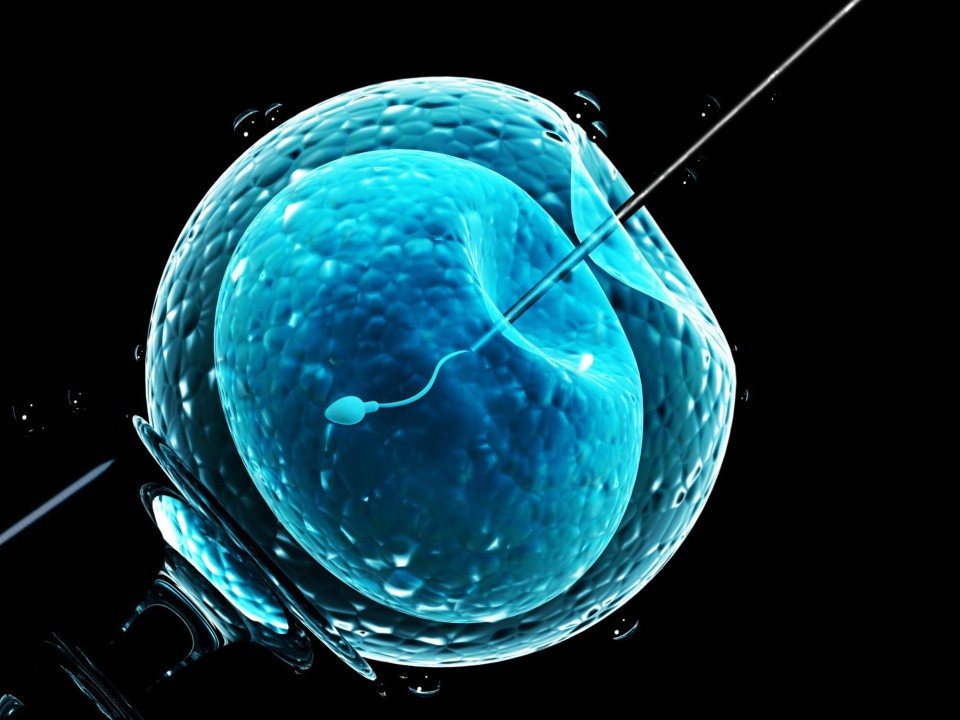
Nepal Health News, Kathmandu – Legal proceedings are being initiated against seven individuals, including the operator of Hope Fertility and Diagnostic Clinic, on charges of illegally extracting and selling eggs from teenage girls by luring them with financial incentives.
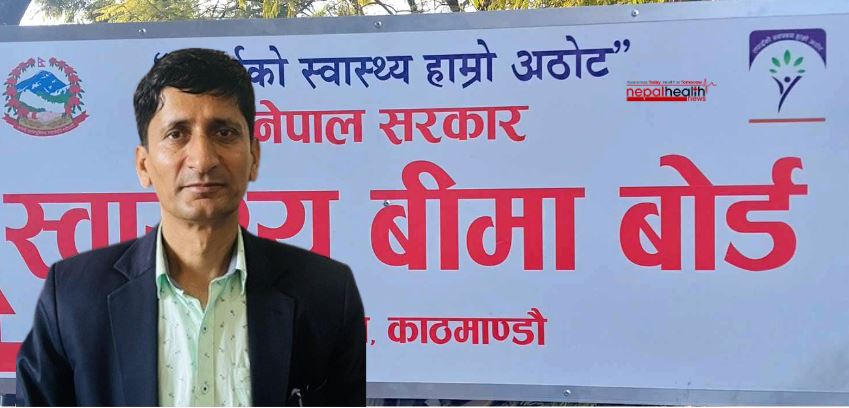
The Central Investigation Bureau (CIB) of Nepal Police conducted an investigation under the Children’s Act 2075 (2018) and submitted the report to the District Government Attorney’s Office. The chief of the office, Ramhari Kafle, confirmed that the report has been received and is currently being reviewed.
According to police, the preliminary investigation indicated that a case should be filed against Dr. Swasti Sharma, Asim Adhikari, Malini Chaudhary, Alisa Oli, Justina Pradhan, and two others. The case came to light after the teenage victims reported various health problems, such as halted menstruation and abdominal pain. It was revealed that the girls had been paid only NPR 10,000 each in exchange for undergoing egg extraction procedures. These girls were studying in higher secondary (+2) level at the time.
During the investigation, it was found that Justina Pradhan played the role of a middlewoman, taking the victims to the clinic and receiving commissions in return.
The victims reported that they were administered hormonal injections for around 8 to 10 days to stimulate egg production, after which the eggs were extracted through a minor surgical procedure. The collected eggs were found to be stored securely in freezers at the clinic.
Investigators noted that agents targeted teenage girls studying in colleges and campuses, as they were easier to influence into donating eggs. Following this incident, the government introduced new guidelines to regulate the process of egg donation.
Named “Infertility Management Service Operation Standards 2082 (2025),” the directive now requires that egg donation be carried out only under specific standards, with mandatory provisions for confidentiality and health safety. According to these new standards, a woman can donate eggs a maximum of six times in her lifetime, with at least a three-month gap between each donation. Donors must be between the ages of 20 and 35 and undergo physical and laboratory tests to confirm they are free from infectious diseases before donating. Additionally, donors must give informed consent after being clearly educated about possible short-term and long-term health risks associated with the procedure.
In the case of married women, the consent of both husband and wife is required. The new regulation also makes it clear that no one may be coerced, threatened, or lured by financial or other incentives into donating eggs. With this step, the government aims to protect reproductive rights and promote transparency and accountability in infertility treatment services.