



Successful organ transplants after brain death brought new hope to the lives of three people
Nepal Health News, Kathmandu: In Nepal, cases of organ donation and successful transplantation after brain death are gradually increasing. Sometimes, a new life begins for someone else after a person’s death—a powerful reality reflected in a recent incident near the capital.
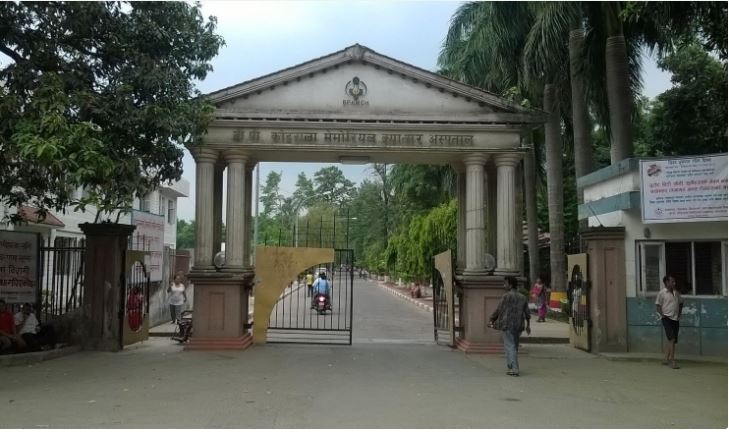
At Sumeru City Hospital in Lalitpur, the organs donated by a brain-dead individual transformed the lives of three patients. During the procedure conducted at the Shahid Dharmabhakta National Transplant Center in Bhaktapur, two kidneys and a liver were safely retrieved from the deceased and transplanted into three different patients. Among them, the patient who received the liver transplant has already been discharged in good health, and the two who received the kidneys are also expected to be discharged soon.
This case marks the second successful organ transplant following brain death in Nepal in the past three months. Nepal began organ transplantation from brain-dead individuals for the first time on Baisakh 28, 2074 (May 11, 2017).
Since then, organs from seven deceased donors have brought new hope to the lives of a total of 18 individuals. However, the process of organ donation after brain death still hasn’t progressed at the expected pace. Nevertheless, it has shown encouraging developments in recent years.
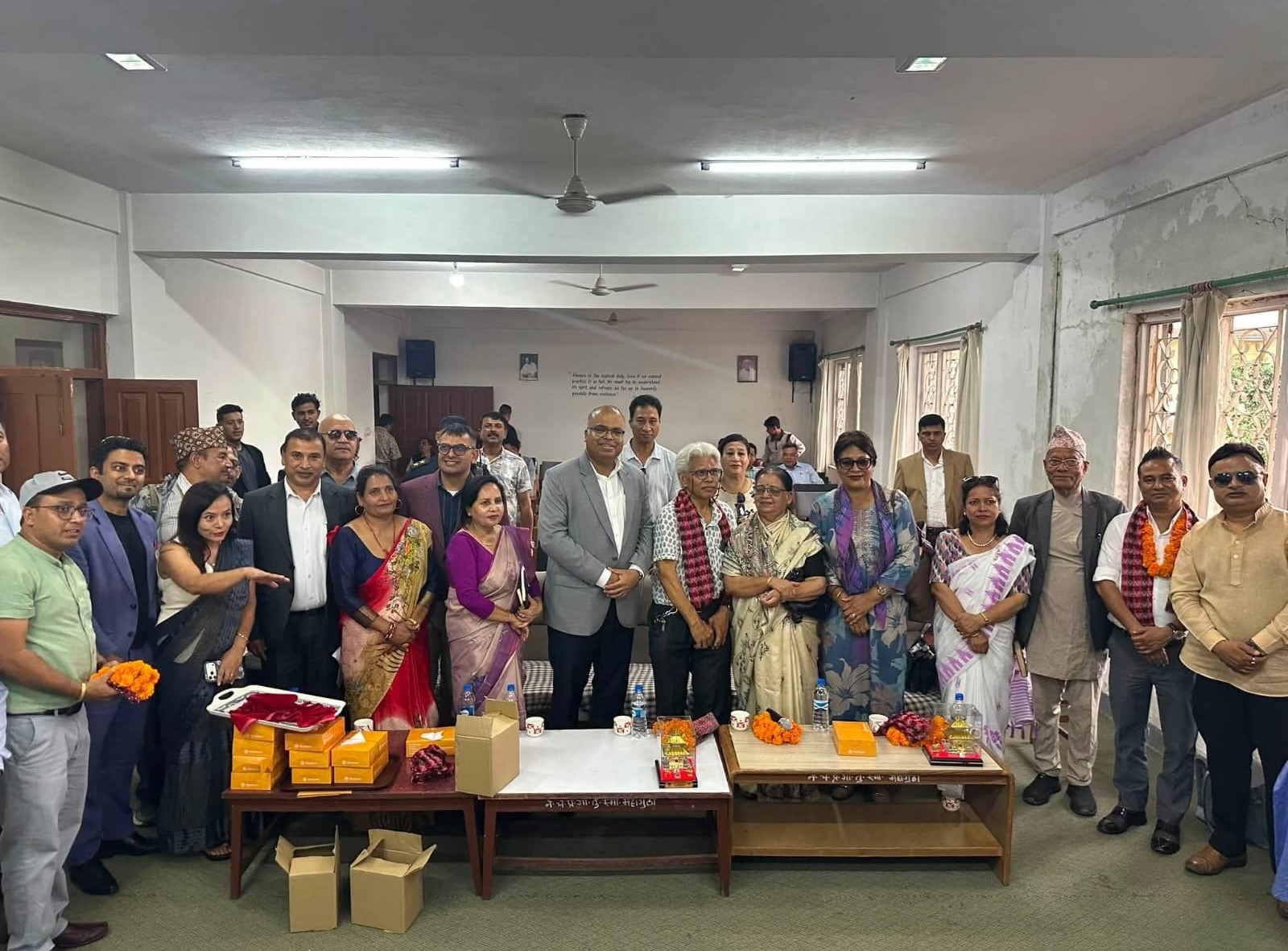
Successfully carrying out such a sensitive and complex process requires not only skilled doctors but a dedicated multidisciplinary team. In this case, under the leadership of Dr. Pukar Chandra Shrestha, Director of the Transplant Center, doctors from various departments, nurses, anesthesiologists, radiologists, lab technicians, physiotherapists, and coordinators actively participated. Dr. Roshan Ghimire assisted in the liver surgery, while the kidney transplant team included Dr. Dipesh Shrestha, Dr. Rupesh Jha, and Dr. Hari Prasad Baral, among others.
The anesthesia and critical care team managed the patients’ fragile condition, while radiology, pathology, and nursing departments handled all pre- and post-operative management. Doctors at Sumeru Hospital, administrative staff, and forensic specialists also played notable roles, whether directly or indirectly.
Organ transplantation in Nepal is governed by law. A person must express their wish to donate organs while alive, or their close family must give consent after death. The Human Body Organ Transplant Act of 2055 (1998), amended in 2072 (2015) and its regulations of 2073 (2016), provide the legal framework. Patients in need of organs must register at the transplant center to be placed on a priority list. When needed, organs from brain-dead individuals are distributed based on this priority.
The government has designated the Shahid Dharmabhakta National Transplant Center as the central coordination unit, currently led by Dr. Kalpana Kumari Shrestha. This coordination unit serves as a vital link between patients, hospitals, and doctors, helping ensure the organ transplantation process is effective and well-managed.
Ultimately, brain death is not the absolute end. Even in death, a person can become a source of life for others. While such examples are still rare in Nepal, these small steps can gradually lead to significant social change. These efforts—turning death into life—deserve institutional and societal encouragement. Initiatives that bring light and hope from the void of death are truly commendable.